


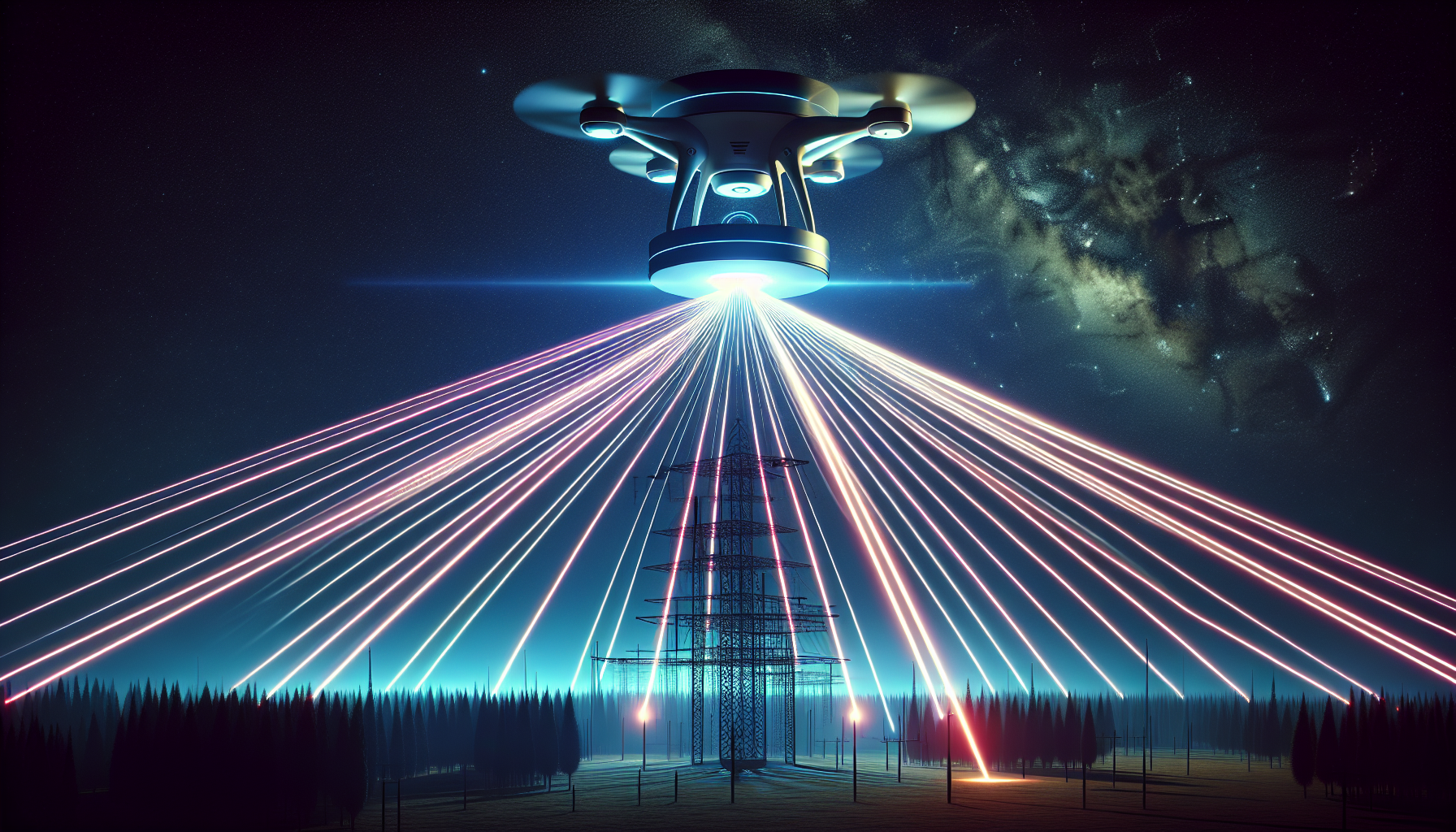
The concept of drones powered by high-energy laser beams represents a fascinating leap in aviation and energy technology. Engineers in the United States are actively exploring this concept, promising a future where drones never need to land for battery swaps. This innovative approach, termed “infinite flight,” is currently being developed with the aim of applications ranging from military surveillance to environmental monitoring.
Pioneering Wireless Laser Power for Military Drones
PowerLight Technologies, in collaboration with the Pentagon-backed PTROL UAS program, is spearheading this groundbreaking initiative. Their team has successfully tested a laser power beaming system capable of transmitting kilowatt-class energy from a ground-based unit to an airborne drone. This communication channel is effective over distances of several kilometers and at altitudes approaching 5,000 feet.
The technology is designed to be integrated into the K1000ULE drone, which is already operational in missions for the U.S. Navy and Army. The first fully integrated flight tests using this laser system are slated for early 2026, defining a significant milestone in unmanned aerial vehicle capabilities.
The Mechanics of Wireless Charging with Laser Technology
The system operates through a trailer-sized unit on the ground that converts energy from batteries or the grid into a highly focused, invisible laser beam. Sophisticated optics and tracking software work in unison to monitor the drone’s position in real time, ensuring that the laser remains locked onto the aircraft while maintaining rigorous safety protocols that can halt the power transmission if obstructions come into play.
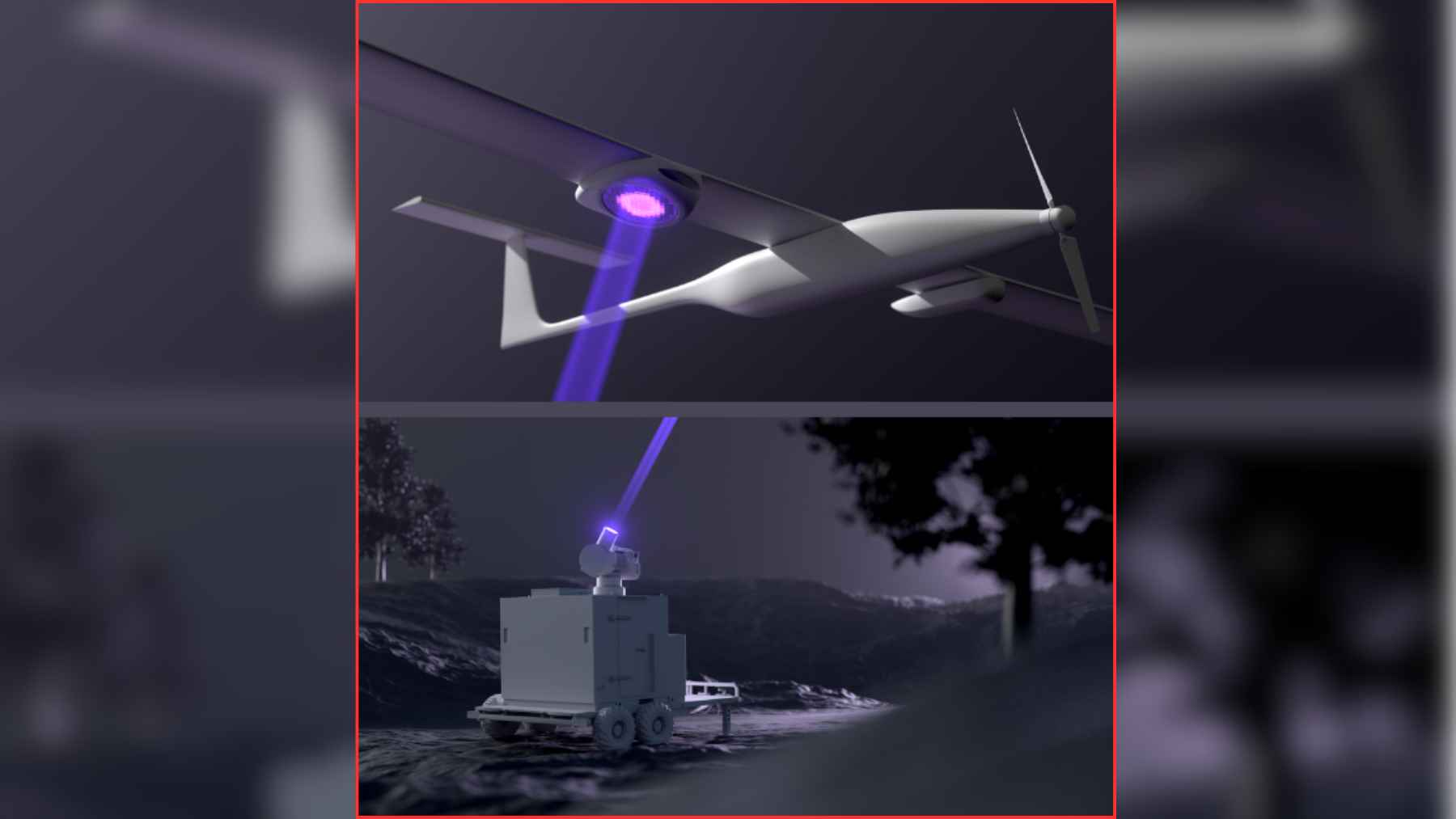
The laser energy is captured by a 2.7-kilogram receiver mounted on the drone, which employs specially designed photovoltaic cells to convert that light back into electrical energy for the drone’s batteries. Additionally, an integrated controller monitors various parameters like power levels and flight data while enabling two-way communication with the ground transmitter, effectively establishing a “wireless power line” in the skies.
Environmental Benefits of Persistent Electric Drones
The environmental implications of these persistent electric drones are significant. Agencies tasked with monitoring forests, oceans, or urban air quality could leverage them to conduct long-term surveillance without the intermittent need for landing and battery replacement. Consider a laser-equipped drone hovering silently over a wildfire front, tracing an oil spill’s trajectory, or sampling air quality over busy highways—all possible with the technology’s promised enhancements.
According to reports from New Atlas, such platforms could also play vital roles in search and rescue operations, pipeline inspections, traffic management, and monitoring air pollution in densely populated regions.
Addressing Energy Efficiency, Safety, and Ecological Concerns
However, the term “infinite flight” is not synonymous with zero impact. The efficiency of optical wireless power transmission is still less impressive compared to traditional wired systems, as energy conversion from electricity to light and back incurs losses at multiple stages. Researchers emphasize that improving overall efficiency remains one of the foremost technical challenges for the broad implementation of these systems.
For context, early commercial indoor laser chargers have demonstrated a mere fifteen percent efficiency compared to a direct wired connection. Should drone systems reflect similar numbers, the energy required to keep them airborne continuously might necessitate drawing significantly more power from the grid than conventional charging methods, which raises questions about sustainability.
Safety and ecological impact further complicate this technology. High-power laser beams must be engineered to avoid harm to birds, low-flying aircraft, and surface-level activities. Developers are prioritizing a multi-layer safety strategy that encompasses active tracking, automatic shut-offs, and stringent regulations to maintain stray light within safe parameters, particularly in zones shared by civilian and military aircraft.
If successful, these safety measures could mitigate the ecological impact of such power systems, protecting wildlife that shares airspace with these drones.
Analyzing the Climate Impact of Laser-Powered Drone Technologies
This exciting yet intricate concept embodies both promise and complexity. The same technology supporting military operations could empower scientists to monitor critical environmental phenomena like glaciers and coral reefs or track urban air pollution without resorting to fossil fuels.
The ecological benefits hinge on the cleanliness of the energy sources used in power generation and the operational contexts in which these drones are utilized.
For a deeper dive into the innovation, refer to the press release by PowerLight Technologies.