



The NextGen Information Environment: A Dive into NATO’s Analytical Report
Introduction to the NextGen Information Environment
A recent report by NATO’s Strategic Communications Centre of Excellence unveils the concept of the NextGen Information Environment, a paradigm shift characterized by autonomous systems that not only transmit information but also generate, filter, and optimize it without the necessity of human intervention. This evolution signifies a transition from traditional narrative-based competition to one dominated by algorithms. Simply put, the battlefield of information has now become an arena where machines actively vie for control.
The Algorithmic Front: Machines in Competition
Gone are the days when information operations relied heavily on media and social networks. Today’s warfare, particularly in the context of military engagements, is increasingly defined by advanced algorithms that dictate what content is visible to users, analysts, and commanders. This new landscape introduces a dynamic where algorithmic speed and efficiency become key players in gaining a strategic edge, shaping perceptions and decision-making processes in real time.
Ukraine: A Case Study in Autonomous Warfare
Ukraine stands at the forefront of this emerging environment, already functioning within a framework that NATO is just beginning to comprehend. The integration of algorithmic solutions, multi-source data capabilities, and autonomous analytical processes has altered traditional battlefield practices. For instance, Ukrainian forces leverage drones as part of unified battle management systems, showcasing real-time situational awareness and tactical synchronization.
The Kropiva System: A Tactical Advantage
One notable example is the Kropiva system, designed to facilitate real-time communication of target coordinates and artillery adjustments. This system embodies the detect–decide–strike cycle, highlighting how technology enhances operational efficiency and effectiveness on the battlefield. Armed forces can quickly respond to emerging threats, reflecting the growing reliance on algorithmic decision-making in military operations.

Conducting USAF DASH experiment / Photo credit: U.S. Department of War
Open-Source Intelligence (OSINT) and Automated Analytics
Another pivotal aspect is the extensive use of open-source intelligence (OSINT) and automation in analytical processes. Ukrainian investigative communities and their international allies, such as Bellingcat, exemplify the ability to transform vast amounts of open-source data into actionable intelligence swiftly. By automating the processes of analyzing satellite imagery, geolocating social media posts, and scrutinizing digital footprints, these entities harness the power of algorithmic tools to bolster situational awareness and operational insights.
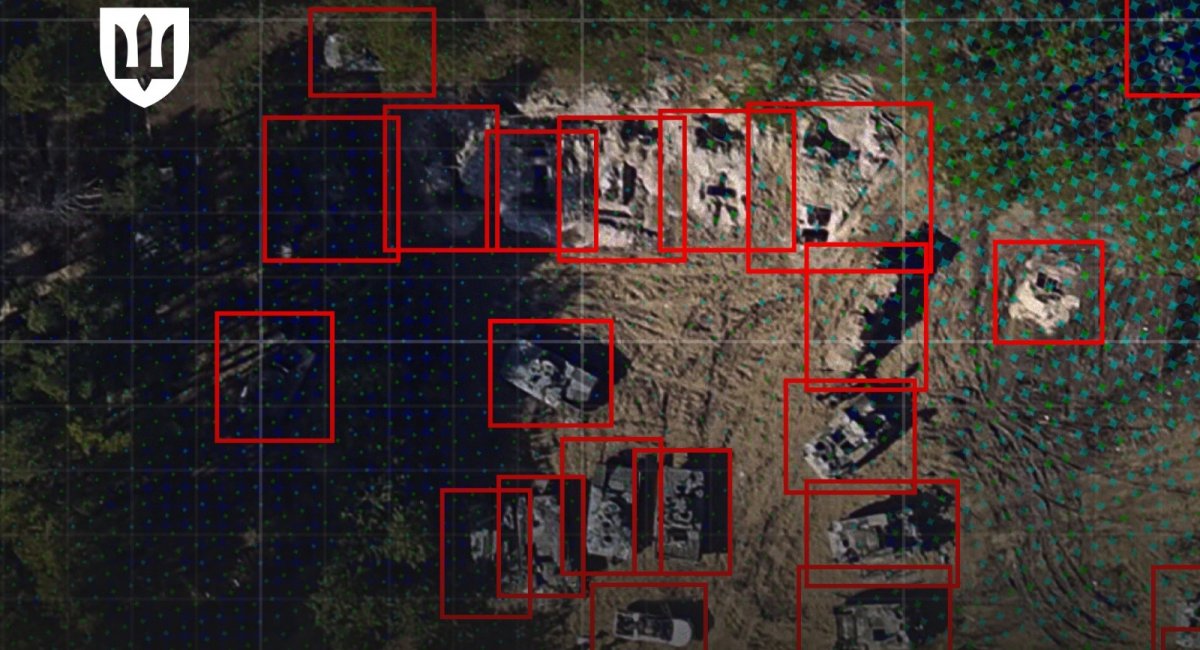
Artificial intelligence helps Ukrainians find and destroy Russian military equipment / Photo: Ukraine’s Ministry of Defense
AI in Counter-Drone Operations and Electronic Warfare
In the realm of counter-drone initiatives and electronic warfare, Ukrainian units are innovating by testing systems that facilitate automated recognition of drone types, frequency analysis, and enemy control channel detection. These developments not only enhance response times to potential threats but also alleviate the workload on human operators, allowing them to focus on strategic decisions rather than routine monitoring tasks.
As these algorithms refine their capabilities, they may also play crucial roles in prioritizing targets within drone swarms or effectively determining the optimal methods for interception.
The Challenge of External Dependence on AI Infrastructure
While advancements in algorithmic warfare offer substantial benefits, the report also underscores a pressing challenge: the dependence on external AI infrastructure. European states, in particular, rely heavily on the technological ecosystems provided by the United States and China. This reliance poses a risk to strategic autonomy, especially in critical military contexts.
Controlling the entire AI stack—from silicon chips to cloud services and proprietary models—has become as vital as maintaining airspace dominance or effective air defense systems.
Ukraine’s AI-Driven Defense Systems
The focus on algorithmic and AI-driven capabilities lies at the heart of ongoing military innovations. Earlier, there were discussions surrounding Ukraine’s novel AI-driven air defense system, shedding light on how such technologies are reshaping defense strategies and operational readiness.
Conclusion
The NextGen Information Environment illustrates a profound transformation in warfare, accentuating the importance of algorithms and autonomy in shaping military narratives. With evolving technologies, the competition in information warfare is no longer limited to narratives, but has advanced to a complex algorithmic landscape that defines modern military engagement. The integration of AI, drone capabilities, and automated analytics stands as a testament to this shift, continually shaping the future of war and defense strategies.
As this environment evolves, monitoring how nations adapt to these challenges will be crucial in understanding the future dynamics of global security.