


The Underground Development: A Look into Trump’s Controversial Military Project Beneath the East Wing
Overview of the Military Construction Project
In a recent press briefing aboard Air Force One, President Donald Trump unveiled details about a significant military construction initiative currently underway beneath the ballroom being constructed at the former site of the White House’s East Wing. This ambitious project, which kicked off in October, has an estimated price tag of around $400 million, stirring conversation and controversy among both supporters and critics.
The “Massive Complex” Underneath
During a flight with reporters, President Trump described the construction as a “massive complex” designed to enhance security and operational capabilities. This revelation comes in light of a lawsuit he labeled as “stupid,” which poses potential challenges to the construction process. Trump reassured those present that the military’s development plans remain on track despite these legal hurdles. “The military is building a big complex under the ballroom,” he stated, emphasizing the importance of the project.
Historical Significance and Design Features
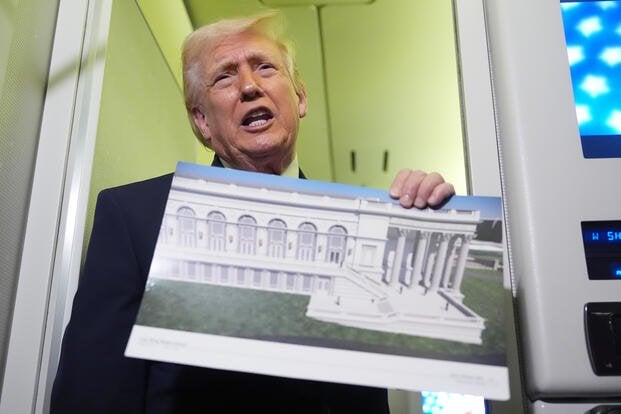
Trump took the opportunity to present a large rendering of the ballroom’s proposed design, touting its historical significance. He mentioned that the establishment of such a grand venue has been a desire for “150 years” among past presidents. The ballroom is set to be an impressive structure, designed to be the same height as the White House itself, intended to host significant events like inaugurations and high-profile galas. The architectural features, including grand staircases and ornate columns, promise to reflect the majesty befitting such important gatherings.
Security Features
Given the evolving nature of security threats, Trump highlighted several key security advancements incorporated into the ballroom’s design. He noted the installation of bullet-proof glass and drone-proof roofs as vital measures considering the contemporary security landscape. “We have all bullet-proof glass, we have drone-proof roofs,” he asserted, underscoring the necessity of these enhancements in today’s world.
Funding the Project
Financially, Trump stated that the ballroom’s construction is entirely funded by private donors, ensuring that “not one dime of government money” is being used. He referred to the underground facility as a “shed,” pointing to its purpose of shielding occupants from drone threats and other potential dangers. The materials being utilized include high-grade, extremely thick bulletproof glass, a nod to both safety and modern engineering standards.
The Impact of Legal Challenges
The construction project has come under scrutiny due to a lawsuit filed in December 2025 by the National Trust for Historic Preservation. This lawsuit seeks to halt construction until thorough environmental reviews are conducted and congressional approval is secured. The judge overseeing the case is expected to issue a ruling by the end of March, a decision that could significantly affect the timeline and nature of the ongoing work.
Trump has asserted that this lawsuit has inadvertently disclosed details concerning the military’s involvement in the project, information that he claims was meant to be kept confidential. He described the legal action as unpatriotic, suggesting it undermines the military’s genuine intentions and interests in the development.
Public Reactions and Commentary
The ongoing project has sparked varied reactions from the public and media outlets alike. While the Trump administration positions the ballroom as a legacy project beneficial for future generations, critics have voiced concerns about the implications for historical preservation and environmental integrity. Notably, a report published by the New York Times, authored by professionals in architecture and urban planning, raises questions about the project’s viability and necessity.
In defense of the initiative, White House Press Secretary Karoline Leavitt expressed confidence, affirming that the project is being executed without taxpayer funding. This statement aims to quell skepticism surrounding the financial aspects of the construction.
The Broader Context
As construction progresses, this project is not merely a construction undertaking but a focal point of broader discussions concerning security, architectural integrity, and the historical preservation tied to the White House. The controversy surrounding the ballroom’s construction reflects the complexities inherent in balancing modern needs with respect for historical significance. As the situation develops, it will undoubtedly continue to attract scrutiny and debate from various stakeholders invested in the future of the nation’s most iconic residence.