


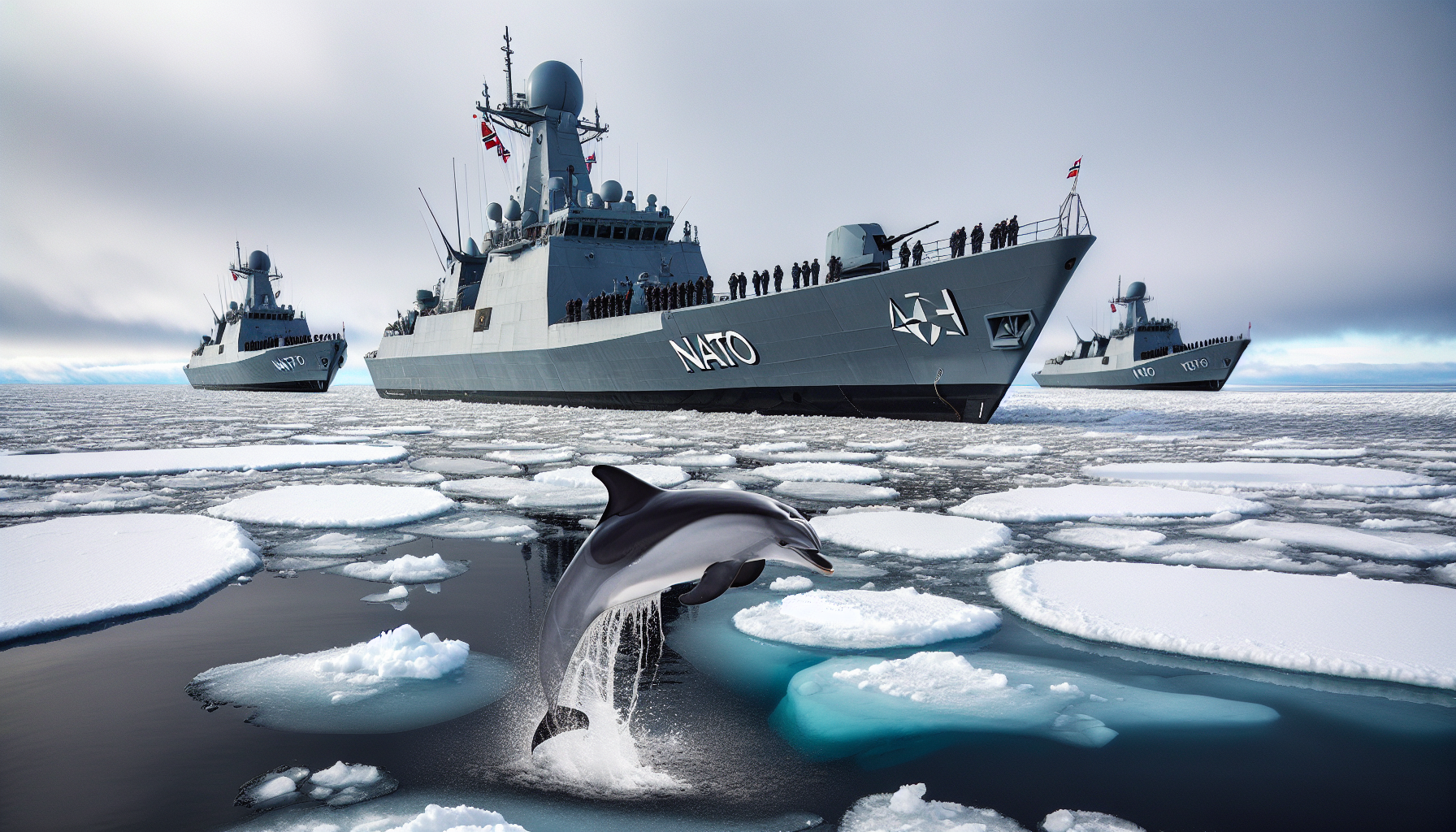
Exercise Arctic Dolphin 26: Strengthening NATO’s Maritime Presence in the Arctic
Overview of the Exercise
From February 2 to 13, 2023, the spectacular landscapes of Norway’s west coast become the arena for Exercise Arctic Dolphin 26. This intensive training operation brings together Norwegian and Allied naval forces for two weeks of focused exercises, specifically aimed at enhancing anti-submarine warfare skills. The exercise is not just a routine drill; it serves as a platform for certifying new submarine commanders in one of NATO’s most challenging maritime environments.
Goals and Objectives
The primary aims of Arctic Dolphin 26 are multi-faceted. One of the central objectives is to facilitate the effective certification of new submarine commanders. Throughout the exercise, these commanders will practice essential skills such as evading detection by Allied surface and air units. This training is not just about operational readiness; it’s an essential part of nurturing future leaders within the Norwegian Navy.
Captain Jim Robertsen, Head of the Norwegian Submarine Service, emphasizes the significance of this high-end training, stating that it provides realistic scenarios for both submarine crews and new commanding officers alike.
International Cooperation
Norway is not going it alone in this endeavor. The exercise includes the participation of the Standing NATO Maritime Group One (SNMG1)—a powerful symbol of NATO’s commitment to maintaining a robust and credible presence in the High North. Commodore Kyrre Haugen, Chief of the Norwegian Fleet, notes that this collaboration underscores the importance of combined training with multiple NATO Allies.
For this exercise, Norway boasts the involvement of the frigate KNM Thor Heyerdahl and an Ula class submarine. They will be joined by various frigates, submarines, aircraft, and helicopters from several NATO nations, creating a diverse and capable coalition.
Operational Areas and Challenges
The training operations are taking place across multiple locations, including the pristine waters of Bjørnafjorden, Sognesjøen, and Sognefjorden. These environments present unique challenges due to their geographical features, weather conditions, and strategic importance. Following a port visit to Bergen, the participating ships are fully engaged in this realistic maritime training, aimed at enhancing operational capabilities in a demanding climate.
Realistic Training Scenarios
The essence of Arctic Dolphin 26 lies in its capacity to simulate real-world challenges. Rear Admiral Joaquin Ruiz Escagedo of the Spanish Navy, Commander of SNMG1, expresses how crucial it is for Allied forces to operate together in conditions that mimic potential maritime challenges. The exercise allows NATO maritime forces to hone their tactical skills in anti-submarine warfare, ensuring that they are prepared for any threats in the future.
Focus on Strategic Importance
The exercise also emphasizes NATO’s commitment to protecting vital maritime routes in the Greenland-Iceland-United Kingdom gap. This area is not merely a stretch of water; it plays a crucial role in the strategic balance of power in the North Atlantic. By enhancing readiness and interoperability through Arctic Dolphin 26, NATO and Norway work to ensure maritime security across this significant region.
Conclusion
Through the multifaceted activities of Exercise Arctic Dolphin 26, Norway and its NATO allies are reinforcing their commitment to strengthening maritime security, operational readiness, and international cooperation in one of the world’s most strategically important regions. Each phase of the exercise serves to not only prepare forces for potential challenges but also to forge stronger bonds between Allied nations, ensuring that they stand ready to face any threats that may arise in the Arctic.