


The Evolving Dynamics of Military Drone Collaboration Between China and Russia
Introduction to the Collaboration
Recent reports have unveiled a significant collaboration between Chinese drone experts and Russia’s state-owned manufacturer, IEMZ Kupol. This partnership, highlighted by a series of visits from Chinese specialists, marks a pivotal development in military drone technology amidst ongoing geopolitical tensions.
The Nature of the Collaboration
According to European security officials and documents reviewed by Reuters, Chinese experts have actively contributed to the advancement of military drones in Russia. This collaboration has included extensive technical work on existing drone models and the conduct of flight tests on new drones. The involvement of Chinese experts underscores China’s increasing influence in the realm of Russian military capabilities, particularly drone production.
Key Models and Developments
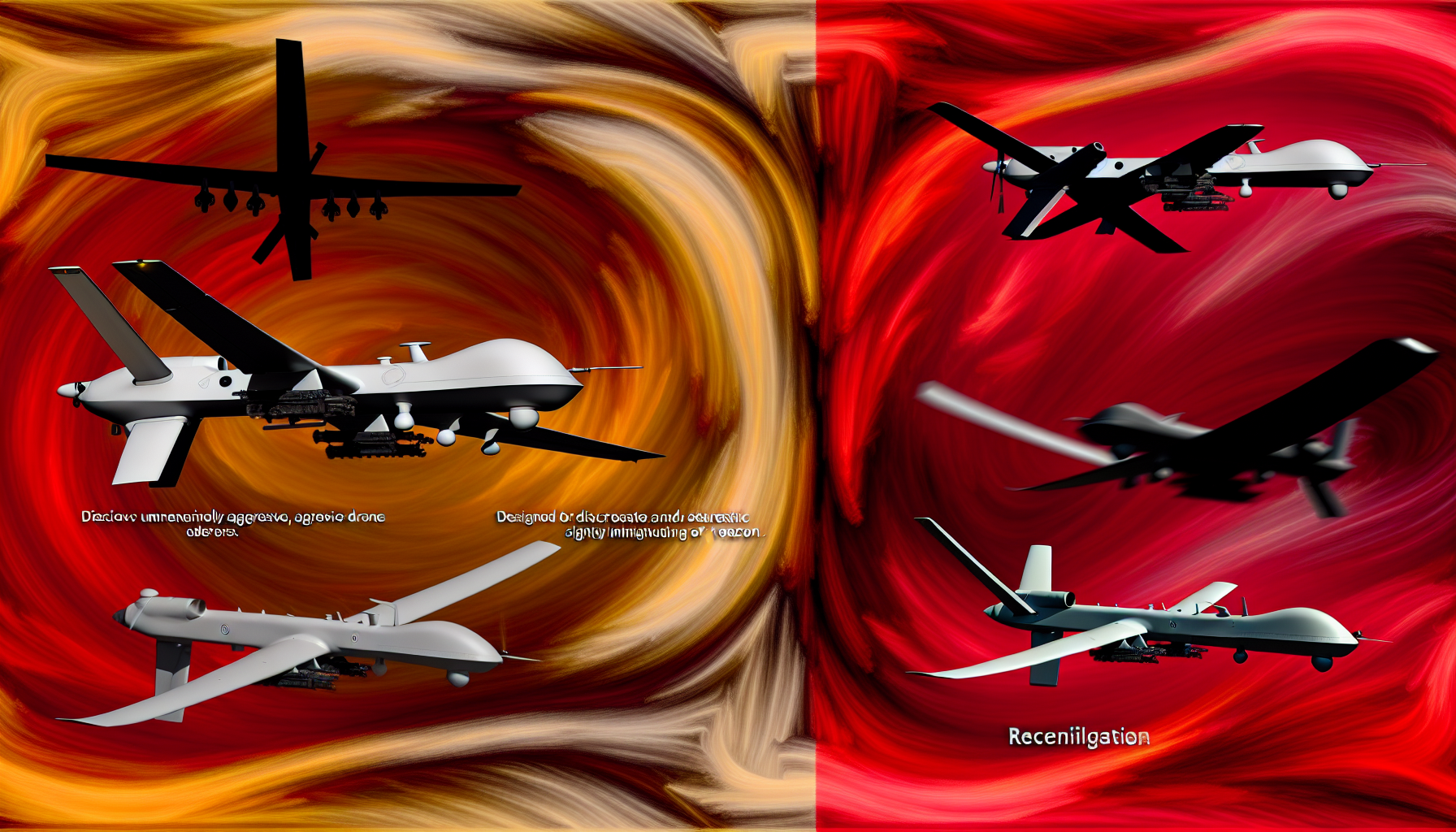
Among the drone models tested during these collaborations are the Garpiya series—designed based on Iran’s Shahed UAV—and other innovative systems like the GA-21. The GA-21 is notably versatile, capable of executing both reconnaissance missions and strike operations. This expansion in drone technology is particularly pertinent as Russia seeks to fortify its military operations in Ukraine.
Supply Chain Intermediaries
The report further reveals that Kupol has received shipments of Chinese-made attack and surveillance drones through Russian intermediary TSK Vektor. This intermediary has come under scrutiny due to its own status, being subject to sanctions imposed by both the US and EU. Such a supply chain arrangement illustrates the intricate networks that allow for continued collaboration despite international restrictions.
Official Reactions
China’s foreign ministry has formally denied any involvement in these military advancements, asserting that the country maintains a “neutral and fair position” regarding the conflict in Ukraine. They emphasized their commitment to controlling dual-use exports, which include technology applicable for both civilian and military purposes. Meanwhile, the Kremlin, the Russian defense ministry, and Kupol have not provided comments in response to inquiries from Reuters.
International Sanctions and Technological Innovation
Despite sanctions, Russia has demonstrated resilience in sourcing materials for its military technology. Ukrainian military intelligence previously disclosed that components for Russia’s D-30SN universal glide bomb were procured from foreign companies not currently subjected to international sanctions. This adaptability in supply sourcing further complicates the international landscape surrounding military technologies.
Conclusion
The intricate relationship between Chinese drone developers and Russian military manufacturers highlights the evolving landscape of warfare technologies amidst geopolitical tensions. As both nations continue to advance their military capabilities, the implications for global security remain significant. The dynamics of international relations, technology transfer, and military strategy are intricately woven together, shaping the future of defense operations on a global scale.