



This year’s Munich Security Conference is taking place just before the fourth anniversary of Russia’s full-scale invasion of Ukraine. Over this time, the nature of the war and the needs of the Ukrainian forces have evolved significantly, making the topic more crucial than ever for discussions and decision-making among global leaders.
Lithuanian President Gitanas Nausėda highlighted this transformation in a recent speech, noting the drastic shift in the types of support being debated. He remarked, “At the beginning, we debated whether to transfer body armor to Ukraine. Today we discuss the number of air defense systems and ammunition volumes in new aid packages.” This shift illustrates the increasing complexity and urgency of military aid as the war continues.
Lithuania has proven to be one of Ukraine’s most steadfast allies. Recently, the country has committed to providing $265 million in aid as part of the Ramstein format. Notably, Lithuania is recognized as the world’s third-largest supplier of support to Ukraine when considering the share of its GDP, having pledged more than €465 million in military assistance. Even before the full-scale invasion in 2022, Lithuania had already facilitated the transfer of body armor and Stinger MANPADS, making it one of the first countries to provide these critical defensive tools.
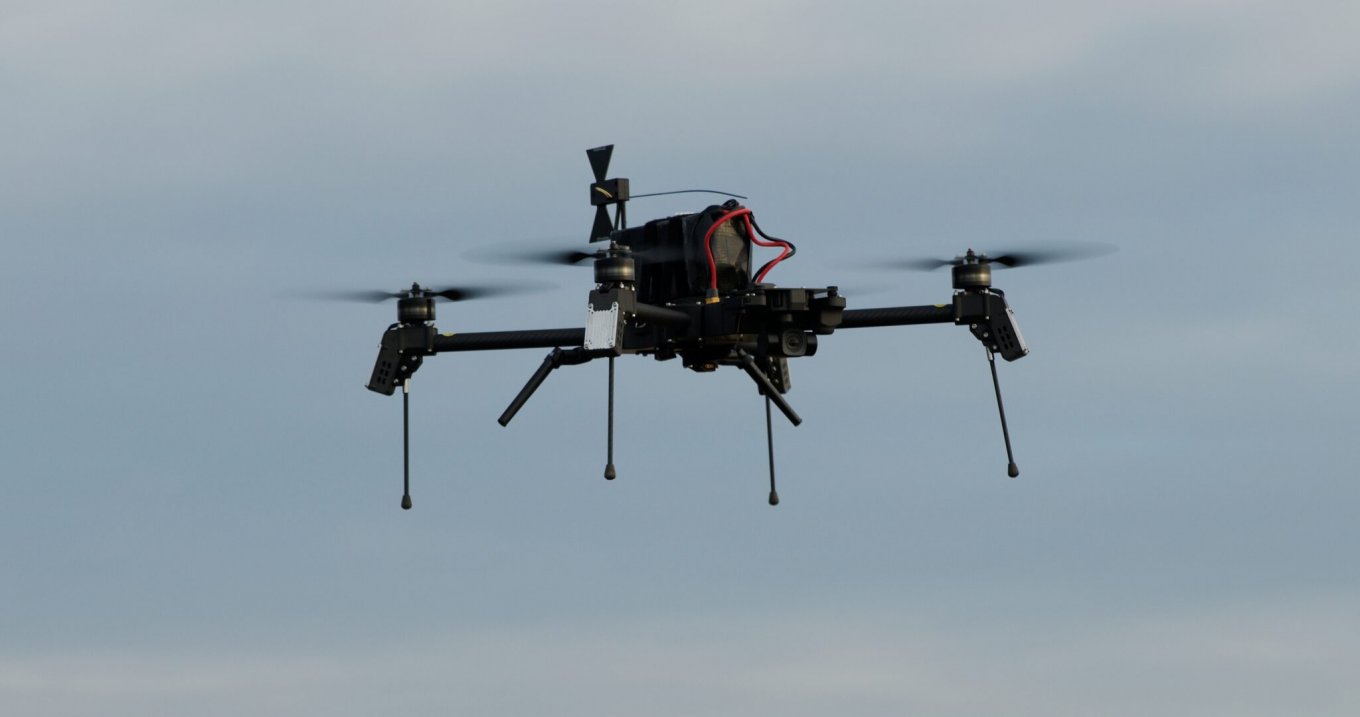
Meanwhile, Germany is stepping up its support in a significant way. By February 2026, Germany is set to allocate at least €1 billion for drone procurement aimed at enhancing Ukraine’s aerial defenses. This investment also includes funding for a comprehensive air defense dome project to protect major Ukrainian cities, all within an overall aid budget of €11.5 billion. Recent developments indicate that Quantum Frontline Industries in Germany has already introduced the first Ukrainian Linza 3.0 UAV. By the end of the year, approximately 10,000 of these UAVs are expected to be transferred to Ukraine—a remarkable achievement, especially considering that initial joint production agreements were reached less than two months ago.
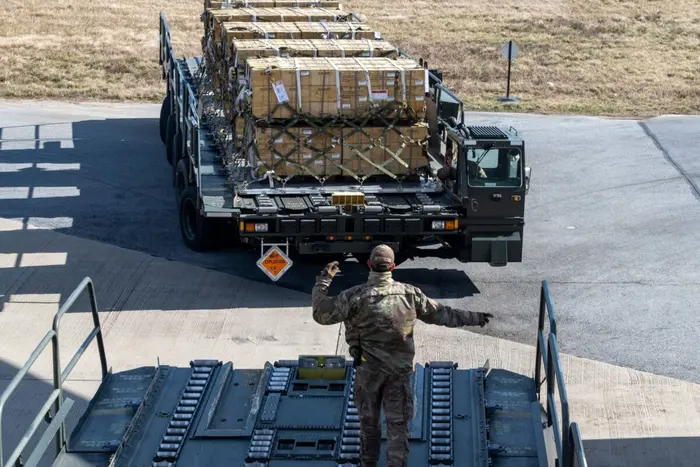
Amid these developments, it’s important to note the shifting dynamics of support for Ukraine. As Polish Foreign Minister Radosław Sikorski has pointed out, Europe is shouldering an increasing burden of the financial backing for Ukraine. While the United States remains a critical partner, the pace of new aid packages has slowed down significantly compared to 2022. Through 2024, the U.S. has allocated around $182.8 billion in emergency funding for the region, with $83.4 billion of that actually delivered in weapons and financial assistance.
The emerging Prioritized Ukraine Requirements List (PURL) mechanism is gaining traction, as it allows allies to finance the procurement of American weaponry for Ukraine, including essential missiles for air defense systems. At the Munich conference, Volodymyr Zelenskyy underscored the critical importance of this initiative, especially during a period when direct U.S. supplies have seen a temporary lull. Concurrently, Ukraine is advocating for the establishment of joint defense enterprises across Europe to bolster its defense capacity further.
Despite the substantial external support, Ukraine is actively developing its own defense-industrial base in collaboration with international partners. Reports indicate that ten Ukrainian drone factories are planned to open in Europe by 2026, a move that is expected to enhance local production capabilities and foster greater self-sufficiency in the face of ongoing challenges.