


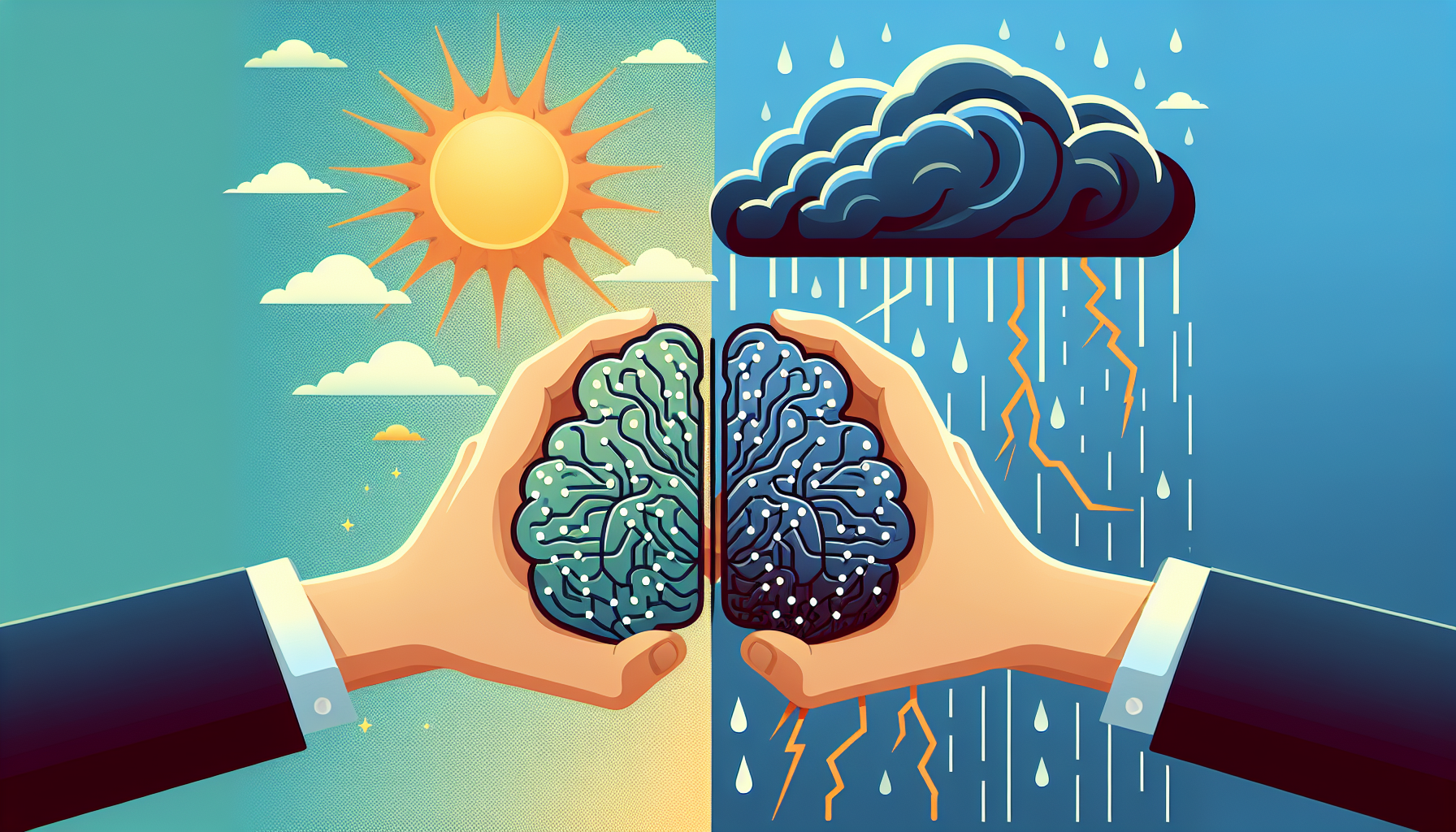
The Controversial Deal: OpenAI and the U.S. Department of War
In a surprising turn of events, OpenAI has recently signed a deal with the U.S. Department of War (DoW) to integrate its artificial intelligence (AI) technology into military applications. This decision has not only raised eyebrows among technology enthusiasts but has also sparked significant backlash from users of its flagship product, ChatGPT, many of whom are choosing to sever ties with the platform. The ramifications of this agreement touch on several crucial issues, including ethical considerations surrounding AI, user trust, and the evolving landscape of military technology.
Anthropic’s Stand Against Military Contracts
The choice made by OpenAI stands in stark contrast to that of Anthropic, a competing AI firm known for its chatbot Claude. Anthropic opted out of a similar engagement with the DoW, citing substantial safety and security concerns. The company expressed its unwillingness to enable technology that could be used for surveillance or autonomous weaponry. In a thorough examination of potential future risks, Anthropic has taken a principled stand that prioritizes ethical guidelines over profit.
This divergence raises fundamental questions about the responsibilities of tech companies in shaping the future of AI. While Anthropic decided to maintain a safe distance from military applications, OpenAI has plunged into the deep end—a decision that many view as a stark ethical compromise.
User Backlash: A Growing Movement
The response from ChatGPT users has been swift and overwhelmingly negative. Reports indicate a growing number of subscription cancellations, as disillusioned users turn to alternatives like Claude. Platforms such as Reddit are alive with discussions, guides on how to extract personal data from ChatGPT, and expressions of disappointment toward OpenAI’s willingness to collaborate with the military complex. Emotional appeals around the ethical dimensions of AI use are dominating the conversation, with some users accusing OpenAI of lacking integrity and “selling their soul” for military contracts.
The Dichotomy of AI Ethics
In examining the ethics behind AI technology, one cannot ignore the murky waters that surround it. AI chatbots are often built on vast amounts of data, some of which may be ethically questionable, including copyrighted material. Additionally, the environmental impact associated with running large AI models raises concerns about sustainability. In this bleak landscape, Anthropic’s decision to prioritize ethical guidelines over economic incentives adds another layer of complexity.
Furthermore, as Anthropic has made stringent requests for safeguards against mass surveillance and fully autonomous weaponry, it underscores an emerging divide in the AI space. OpenAI has countered these concerns by claiming that its agreement with the DoW contains “more guardrails” than the one declined by Anthropic, intending to enforce “red lines” in future operations. Whether these assurances will satisfy skeptical users remains to be seen.
OpenAI’s Justification for the Agreement
OpenAI has defended its decision by stating that the partnership with the DoW aims to enhance AI technologies while adhering to ethical standards. They assert that the military’s application of AI could lead to improved safety and security outcomes—potentially reducing human risk in conflict zones. However, the vague language used in the contract regarding “all lawful purposes” has raised alarms. Critics argue this could allow for intellectual flexibility that may inadvertently lead to militaristic applications.
As the backlash continues to unfold, the distinction between what constitutes acceptable use of AI versus exploitative use remains hotly debated. The community’s apprehensions about the future of AI technology in warfare exemplify a broader societal concern—the implications of developing technologies that could alter the dynamics of power and control.
The Path Forward
The unfolding situation raises essential questions about the balance between innovation and ethics in AI development. As users defect to platforms that claim a stronger ethical stance, the competitive landscape is shifting. Claude is reportedly gaining traction, recently climbing to the top of the Apple App Store, demonstrating that consumer choices are driven by more than just technology features; they are heavily influenced by corporate ethics and transparency.
The ongoing debates surrounding AI ethics, military partnerships, and user trust will not only affect the companies involved but may also set lasting precedents for future interactions between technology and governance. The ripple effects of OpenAI’s decision to engage with the DoW may usher in a new era in which AI’s role in society is constantly questioned, scrutinized, and redefined.