


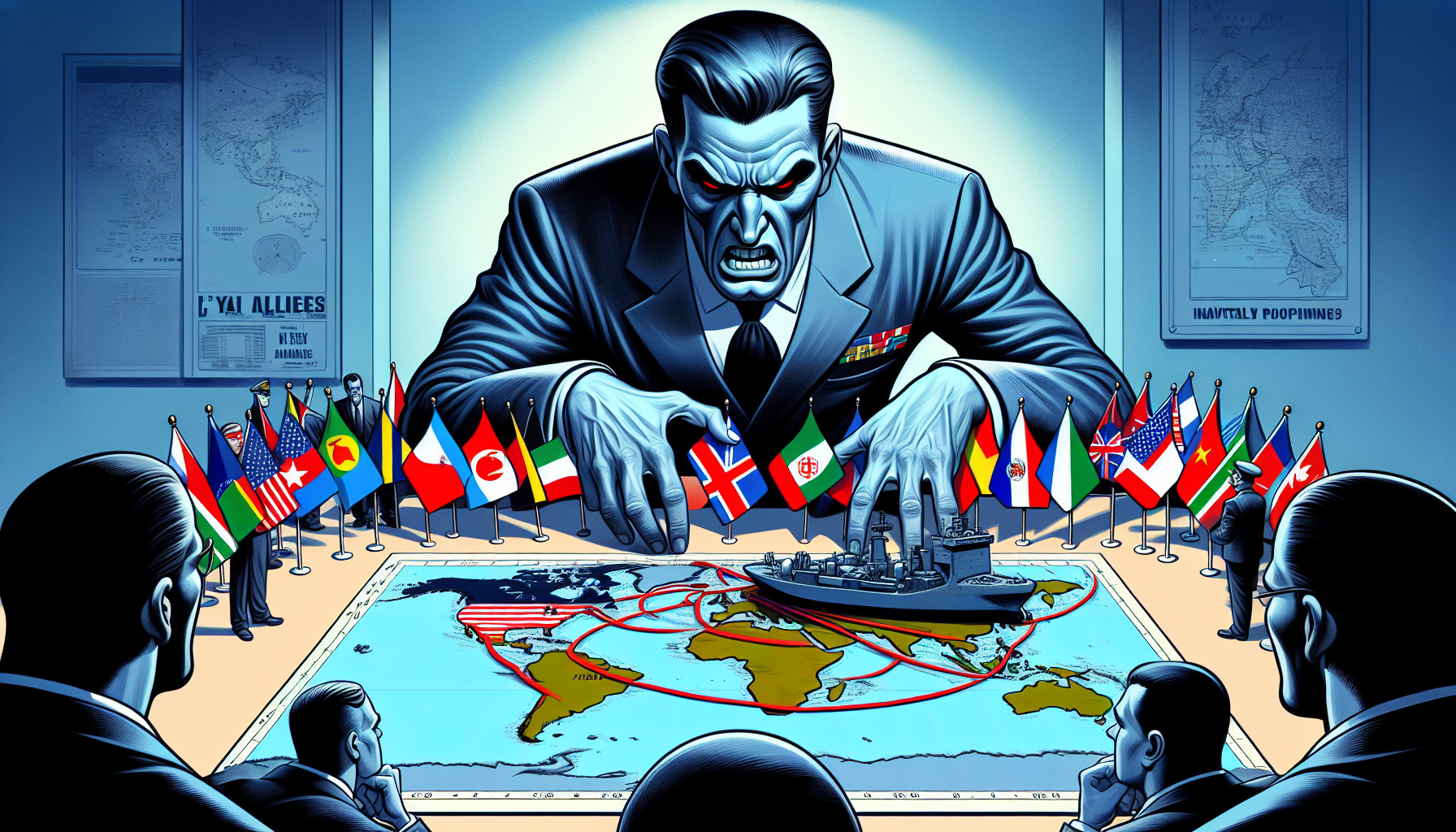
U.S. Allies Rebuff Trump’s Call for Naval Support in Hormuz
In a pivotal moment for U.S. foreign policy, several allied nations have turned down President Donald Trump’s recent request to send warships to secure the vital Strait of Hormuz. This strategic waterway is crucial for global energy, with approximately 20% of the world’s oil and liquefied natural gas passing through. With tensions escalating in the region amid a military conflict that has no clear end, these refusals have raised eyebrows and sparked debate about transatlantic alliances.
The Ongoing Conflict and Economic Implications
The U.S.-Israeli engagement in military action against Iran has entered its third week, leading to a serious blockade of the Strait of Hormuz. The closure has begun to raise energy prices worldwide, fueling fears of inflation as U.S. allies face mounting economic pressures. Many countries involved feel blindsided; they were not consulted prior to the airstrikes, and the abrupt nature of the conflict has led to harsh criticism from Trump towards these long-standing partners.
Countries like Germany, Spain, and Italy are among those expressing reluctance to contribute naval resources. German Chancellor Friedrich Merz articulated this sentiment, citing a lack of endorsement from United Nations, European Union, or NATO guidelines as key reasons for their stance. The lack of consultation before military actions is another significant factor shaping these allies’ decisions to abstain from intervening.
Trump’s Frustration with Long-standing Allies
At a recent news conference, Trump expressed frustration over the lukewarm response from certain long-term allies. While he noted that some countries were eager to assist, he lamented the lack of enthusiasm from others. “Some are countries that we’ve helped for many, many years. We’ve protected them from horrible outside sources, and they weren’t that enthusiastic,” he remarked. The implications of these comments strike at the heart of longstanding U.S. alliances, calling into question the future of transatlantic cooperation in military affairs.
Conditions on the Ground: Injuries and Military Readiness
On the military front, the U.S. Central Command confirmed that around 200 American troops had been injured since the outset of this conflict, the majority suffering minor injuries, with many already returned to active duty. This news underscores the escalating nature of the confrontation and highlights the urgency for strategic navigation through potential military escalations.
Israel’s Expanding Military Operations Against Iran
Parallel to these events, Israel has ramped up its military operations, announcing that it has several more weeks of conflict planned. Recent strikes have targeted multiple sites across Iran, which include strategic infrastructure such as ballistic missile systems and research facilities linked to Iran’s space program. The Israeli military maintains a goal of crippling Iran’s ability to pose a threat, claiming to have “thousands” of targets to strike that are integral to Iran’s military and security framework.
The conflict has led to significant repercussions in neighboring regions such as Lebanon, where Israeli forces have advanced as part of their broader strategy against Hezbollah, following retaliatory rocket fire from the group. A united front from Canada, France, Germany, Italy, and Britain cautioned against any extensive Israeli ground offensive, warning of potentially disastrous humanitarian consequences.
Iran’s Retaliatory Threats and Regional Tensions
In response to Israeli and U.S. military actions, Iran’s Islamic Revolutionary Guard Corps (IRGC) has threatened to target U.S. industries in the Middle East and urged residents near U.S.-owned facilities to evacuate. Tensions reached new heights after U.S. forces struck Iranian positions linked to oil production. Iran’s officials claim they are prepared to retaliate against any nation from which they perceive attacks are being launched.
Moreover, Iran has made it clear that it has not sought a ceasefire, nor engaged in dialogue with the U.S. This stance complicates efforts for de-escalation in an already explosive environment.
The Broader Impact on International Relations
Events rapidly unraveling in the Strait of Hormuz have caused rifts between the U.S. and its allies, questioning the foundations of international cooperation in military action. Flight disruptions at major airports, drone strikes targeting oil facilities, and ongoing combat hang in the air, illustrating the precarious balance of power in the region.
Despite these challenges, it’s important to note that fluctuations in oil prices have seen a temporary drop after U.S. officials declared readiness to allow some Iranian fuel vessels through the strait. This adds another layer of complexity to the situation, balancing military engagement against economic factors and the shifting dynamics of international trade.
Conclusion
The events in Hormuz reflect a broader narrative of geopolitical tensions, rising nationalism, and evolving alliances. They shine a light on the intricate web of international relations where strategic interests and historical partnerships clash amid the realities of war and diplomacy. As the situation unfolds, the global community watches closely, uncertain of what the next chapter will bring.