


Gulf Tensions: The Escalation of Attacks and Military Responses
Ongoing Iranian Attacks
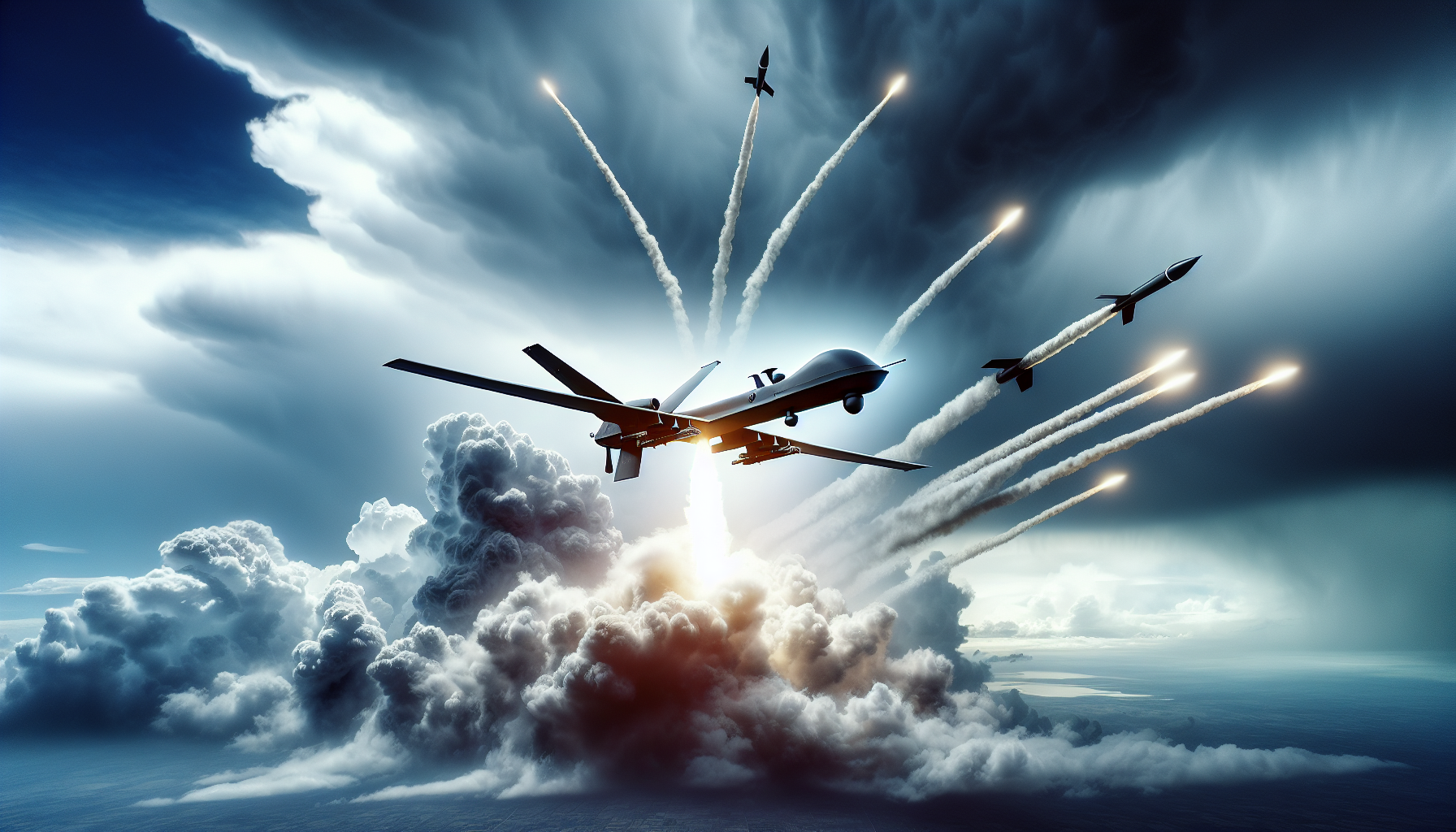
The Gulf region is currently engulfed in heightened tensions as Iran has launched a series of drone and missile strikes, targeting countries such as Kuwait, Bahrain, and the United Arab Emirates (UAE). This escalation is seen as a direct response to ongoing military actions by the United States and Israel, which have intensified in recent days. The Kuwaiti army’s general staff reported on social media that their air defenses were actively intercepting incoming projectiles, signaling the urgency of the situation.
Targets of Aggression
In a notable display of aggression, Qatar’s Ministry of Defence disclosed that it faced multiple attacks, including an alarming 14 ballistic missiles and four drones allegedly originating from Iran. Initially, these Iranian strikes were directed at U.S. military assets scattered throughout the Gulf region. However, the focus has increasingly shifted towards civilian installations, causing widespread alarm among Gulf citizens.
Human Cost of Conflict
As the conflict unfolds, the casualties continue to rise. Reports indicate that over 1,230 people in Iran have lost their lives due to the ongoing military campaign led by the United States and Israel. The Iranian counterattacks have not been without fatalities; at least six U.S. service members, along with 11 individuals in Israel and three in the UAE, have been reported killed as a result of the strikes.
Economic Ramifications
The war has significant economic implications as well. Oil and gas prices have surged amidst heightened tensions, largely due to disruptions in shipping routes near the Strait of Hormuz, a critical passage for approximately 20% of the world’s crude oil. Tankers have found themselves stuck or reluctant to navigate through this strategic waterway, further complicating the market dynamics.
Air Defense Under Pressure
Reporting from Doha, Al Jazeera’s Laura Khan illustrated the intense situation, noting that air defense missiles were “lighting up the night sky” in Abu Dhabi as they dealt with a barrage of drone and missile threats. Earlier in the day, it was reported that at least 131 drones and six ballistic missiles were launched at the UAE, putting their air defense systems to a rigorous test in an ongoing series of attacks.
Impact on Infrastructure
The conflict has triggered significant damage to key infrastructure. Notably, Bahrain’s main oil refinery, Bapco Energies, was struck by an Iranian missile, igniting a fire that authorities swiftly brought under control. Fortunately, there were no reported injuries from this attack, but the extent of the damage is still under evaluation, indicating the precarious state of local facilities.
Regional Solidarity and Self-Defense
In response to these Iranian strikes, Arab Gulf leaders have unanimously condemned the actions as a violation of international law. In a joint statement alongside the U.S., they underscored their “right to self-defense,” reflecting a growing solidarity among Gulf nations in the face of external aggression.
U.S. Military Response
The United States has pledged to sustain its military operations against Iran, indicating that the offensive will persist as the situation continues to unfold. Amidst the chaos, essential diplomatic services at some embassies in the region have been temporarily suspended, notably in Kuwait City and other nations under threat.
This multilateral conflict has profound implications, not just for the regions involved but also for global stability, as the balance of power shifts and the risks escalate.