


Transformation into a Strategic Group
At the World Defense Show 2026, Saudi Arabian Military Industries (SAMI) made headlines with an ambitious restructuring plan aimed at significantly enhancing its operational capabilities. The organization is transitioning from a traditional corporate model to a more flexible and agile entity—dubbed a “strategic group.” This transformation includes the establishment of two specialized divisions: SAMI Land Company and SAMI Autonomous Systems, marking a crucial step in its evolution.
The Formation of SAMI Land Company
SAMI Land Company is set to play a pivotal role in strengthening the Kingdom’s defense infrastructure by addressing the specialized needs of land forces. Operating from a sprawling 1 million square meter facility, it boasts cutting-edge technology designed to meet contemporary military requirements.
Key highlights of SAMI Land Company include:
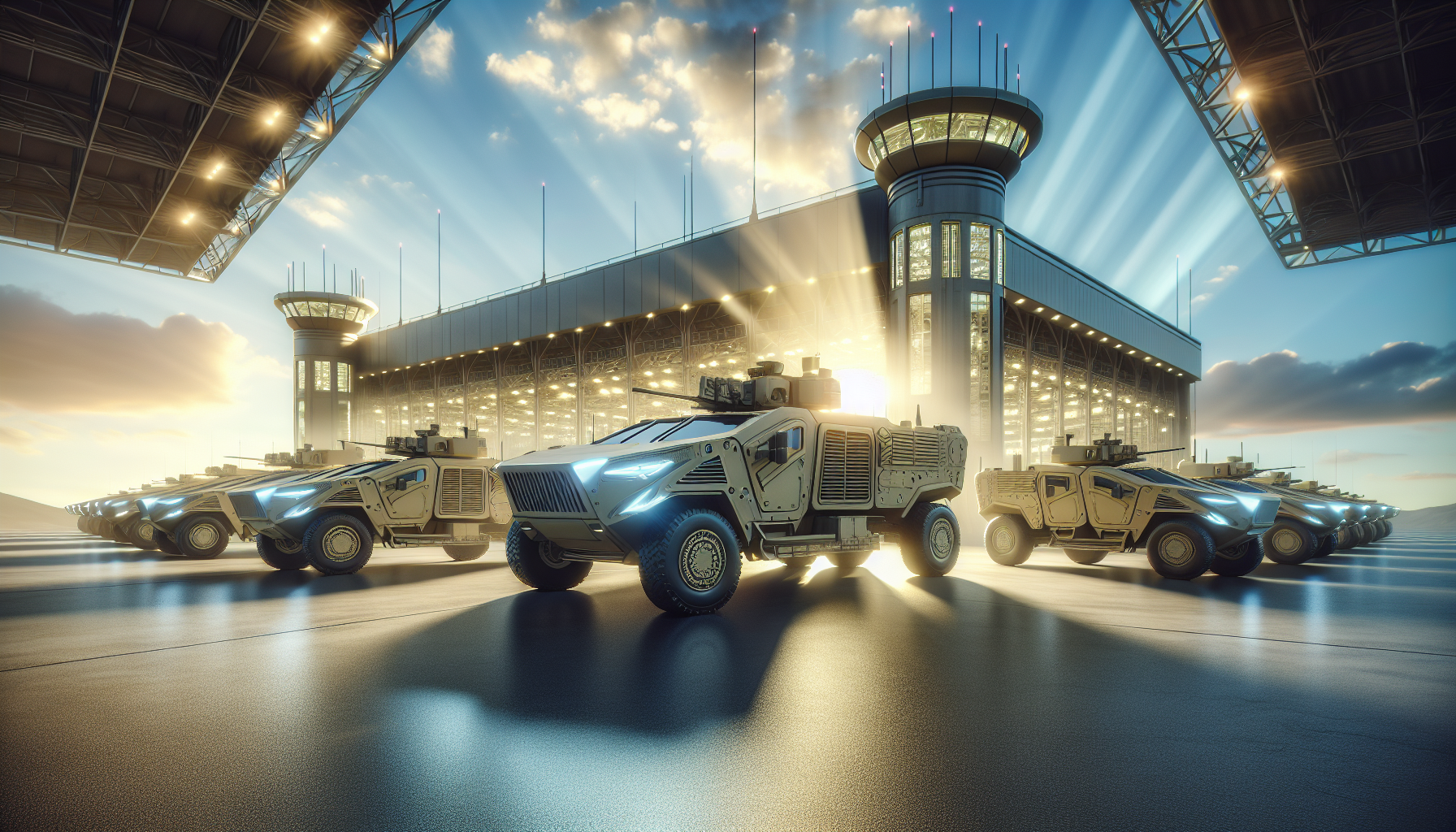
- New Armored Vehicle Program – HEET: At the forefront of its offerings is the HEET armored vehicle lineup, showcasing the company’s indigenous design capabilities and Saudi intellectual property.
- Armored Vehicle Models Introduced: Among the vehicles unveiled on the inaugural day of the show were the HEET 8×8 and the HEET 4×4, both equipped with advanced turrets, generating notable interest from military officials present.
Wael Alsarhan, SAMI’s Chief Communication and Support Services Officer, mentioned ongoing discussions regarding the development timelines and delivery plans for these vehicles, adding that further details will be shared as negotiations progress.
Launching Autonomous Systems for Future Warfare
Alongside its land-focused initiatives, SAMI also revealed SAMI Autonomous Systems, a new division dedicated to the advancement of autonomous solutions across various platforms, including land, air, and maritime. While the management structure and strategic framework for this new division are still under wraps, the goal is clear: to consolidate previous efforts in autonomous technology under one cohesive entity.
Critical aspects of SAMI Autonomous Systems include:
- Focused Development Across Multiple Domains: This division will utilize prior advancements in autonomous technologies, aiming for quicker development cycles and operational deployment.
- Integration Rather Than Start Over: SAMI’s strategy is to capitalize on existing frameworks and initiatives, avoiding the need to start from scratch in developing autonomous capabilities.
Structural Reorganization and Strategic Partnerships
The reorganization of SAMI signifies a broader strategy aimed at enhancing the organization’s flexibility and responsiveness to client needs. Previously structured into five divisions encompassing aerospace, land, sea, advanced electronics, and defense systems, the move to independently operated companies allows for greater specialization and adaptability.
- Impact on Joint Ventures: While the specifics regarding existing international joint ventures remain undisclosed, there is at least one known collaboration now integrated under SAMI Land Company, reaffirming the commitment to shared innovation and resource utilization.
- Local Content Initiative – RUKN: SAMI launched the RUKN program to strengthen local supply chains and develop domestic capabilities. This initiative promotes automation and provides suppliers with an online platform to connect with and engage in emerging opportunities.
Implications for Saudi Defense Industry
The transformation that SAMI is undergoing represents a critical strategic pivot aligned with the Kingdom’s overarching goals to localize defense manufacturing and lessen dependence on foreign technologies. By creating specialized entities, SAMI is enhancing its operational capabilities and improving its competitive stance in the global defense market.
As SAMI embarks on this ambitious journey, its commitment to indigenous development and integrating advanced technologies will play a crucial role in shaping the future of the Saudi military landscape while fulfilling the Kingdom’s strategic aspirations in defense and security sectors.