


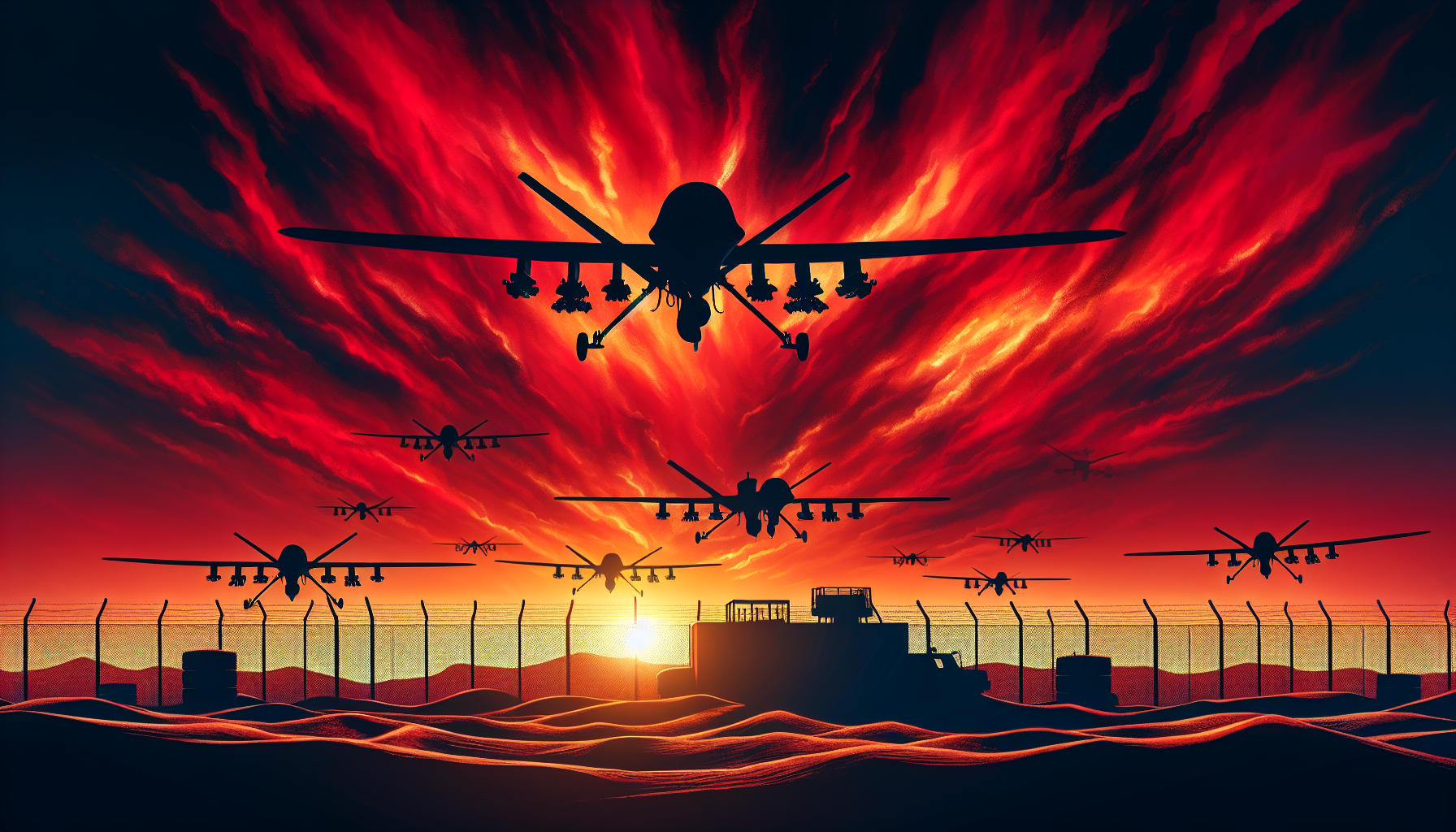
Multiple recent drone incursions over U.S. bases housing strategic military assets amplify concerns that The War Zone has documented for years about highly worrisome drone flights over these installations. These incidents present a risk to national and local security.
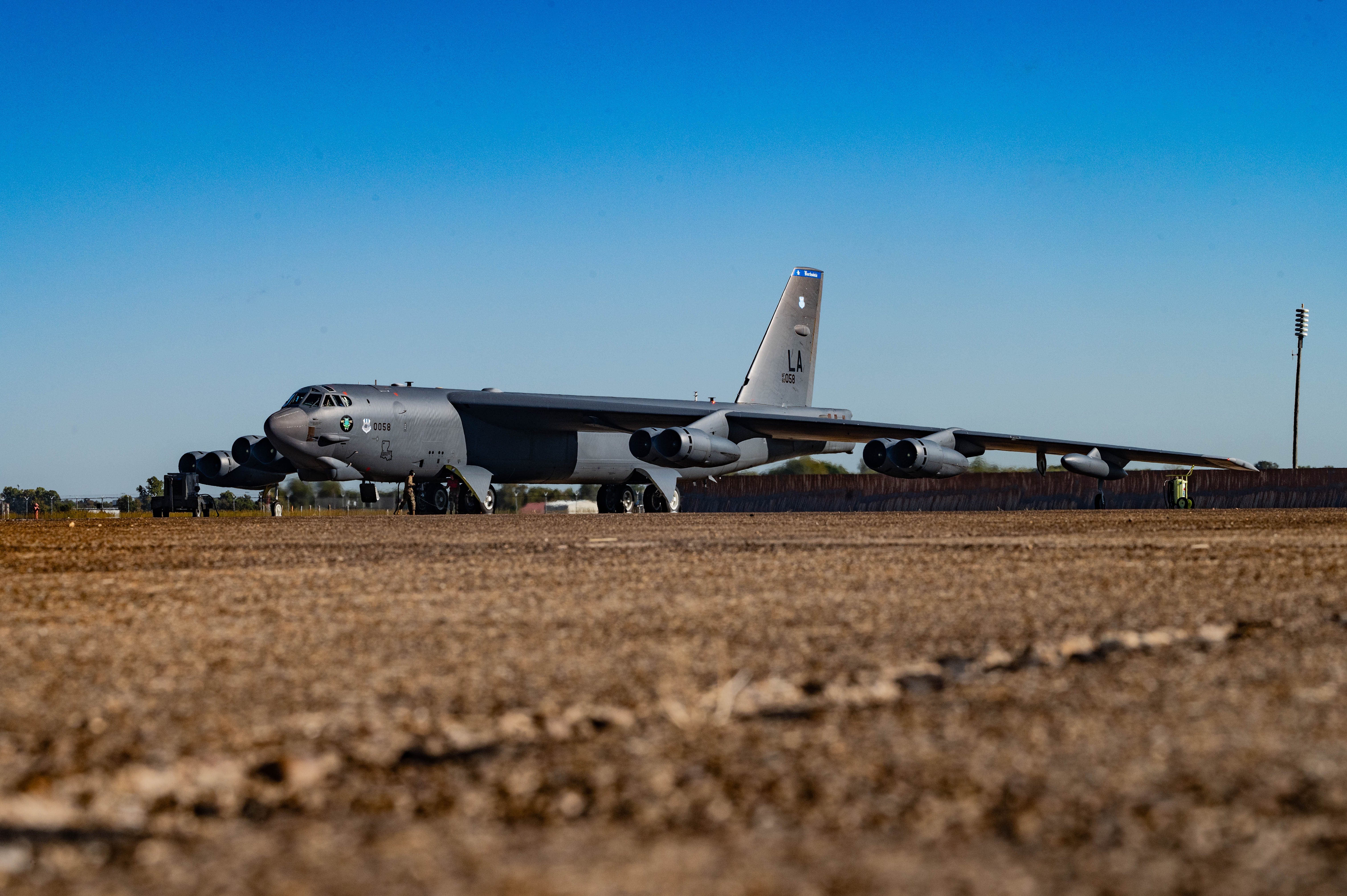
One of these drone overflights took place earlier this month at Barksdale Air Force Base in Louisiana, home to B-52 Stratofortress bombers and nuclear weapons storage facilities, a key part of the airborne leg of America’s nuclear triad. Another was at an unspecified installation last month, according to the commander of U.S. Northern Command in recent written testimony for the Senate Armed Services Committee (SASC). Both situations took place after the U.S. began bombing Iran as part of a military campaign involving B-52, B-1 Lancer, and B-2 Spirit bombers. It remains unclear whether there’s a direct connection between these drone incursions and the military actions against Iran. Nonetheless, the military is highly concerned about drones operating with near impunity over its facilities, warily noting their potential for disruption and surveillance.
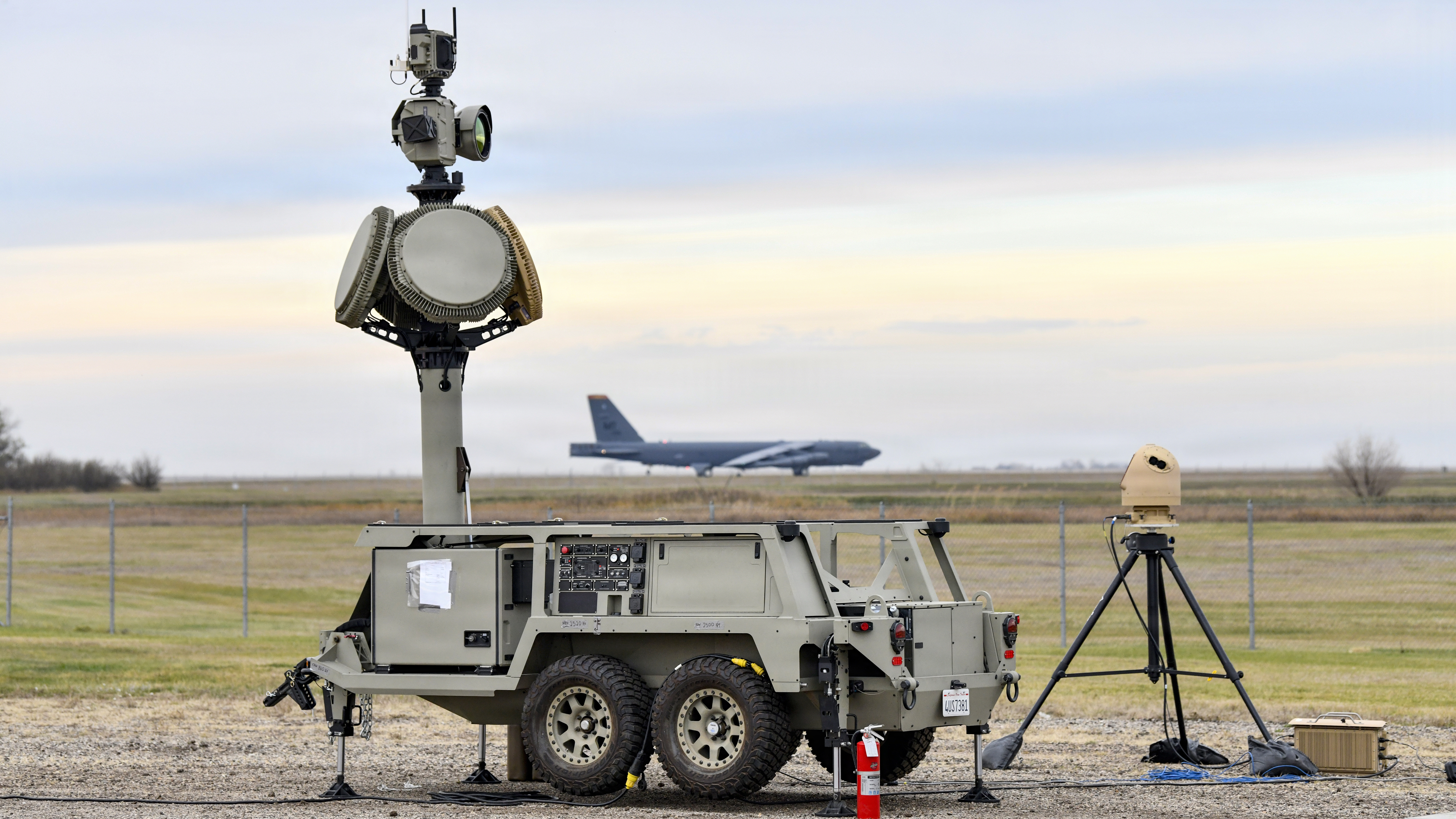
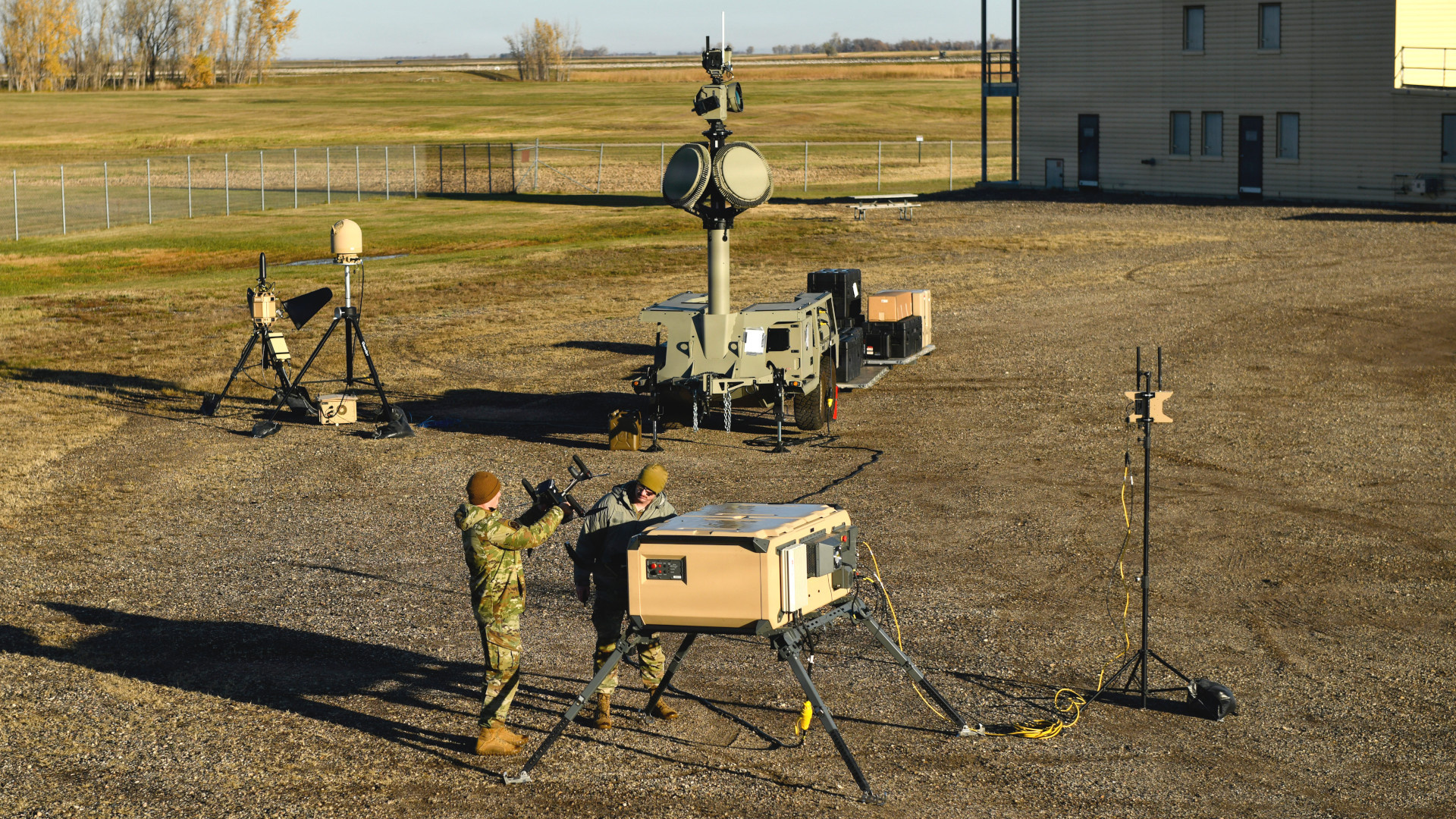
Such unmanned aerial vehicles (UAVs) can interfere with flights, surveil electronic emissions, and photograph critical areas, granting valuable intelligence to potential adversaries. In response to the drone overflights, NORTHCOM deployed its new counter-drone fly-away kit, which allows installation commanders to detect, quantify, and neutralize small drones that may pose threats to their operations.
The incursions at Barksdale began the week of March 9, according to a spokesperson for the 2nd Bomber Wing, who offered little detail except to say that they were collaborating with federal and local law enforcement to investigate. This situation was serious enough to trigger a temporary shelter-in-place order that was later lifted.
Reports indicate that multiple waves of 12-15 drones were seen operating over sensitive areas of the installation, including the flight line, with non-commercial signal characteristics and long-range control links. The drones seemed to be testing the security responses of the base, with their activity pointing to potential reconnaissance missions rather than relaxed drone hobbying.
In a confidential document dated March 15, it was noted that the drones were entering and exiting the base in ways that suggested an effort to avoid detection of their operators. The implications are alarming, as these incursions pose a significant threat to public safety and national security while necessitating shutdowns of flight operations.
Another notable incident occurred in February at an unspecified location during the lead-up to airstrikes against Iran. AIRFORCE General David M. Guillot detailed in his written statement that a deployed fly-away kit successfully detected and neutralized an sUAS operating over a strategic U.S. installation. However, specifics remained undisclosed for operational security reasons.
Currently, NORTHCOM has only one fly-way kit, with additional units expected to be delivered in Spring 2026. This kit is produced by Anduril, employing advanced technology for detecting and neutralizing Group 1-3 drones. The modular setup allows it to quickly adapt to various tactical needs and counter drone threats effectively.
While Gen. Guillot provided limited details in his testimony, he acknowledged an uptick in drone detections over military installations compared to the previous year, attributing some of the increase to better detection capabilities. Notably, the military is now able to neutralize about 25% of the detected drones, a significant improvement from prior capabilities.
These recent events echo previous drone incidents at military bases, such as the wave of mysterious drone activity over Langley Air Force Base at the end of 2023. Who is operating these drones remains a critical unanswered question, revealing a gap in knowledge that military leaders need to address swiftly.
The implications of the recent drone activity are particularly concerning given their timing around the U.S.’s military engagements in Iran. Iranian drone capabilities are under scrutiny from U.S. intelligence, and with B-52s being highly valuable assets, the risk of drone attacks or surveillance becomes a very real threat. With only a handful of B-52s available for operation, losing even one could impact U.S. strategic capabilities significantly.
Reports continually underscore the dangers posed by drones to aircraft on the flight line. Past warnings have gained urgency following the aggressive drone tactics witnessed in Ukraine against Russian aviation forces. The scenarios once thought to be mere theoretical threats are now stepping into an uncomfortable realm of reality.
As this situation unfolds, the attention of military strategists and command centers will undoubtedly remain fixated on these emerging security challenges.
Contact the author: howard@thewarzone.com