


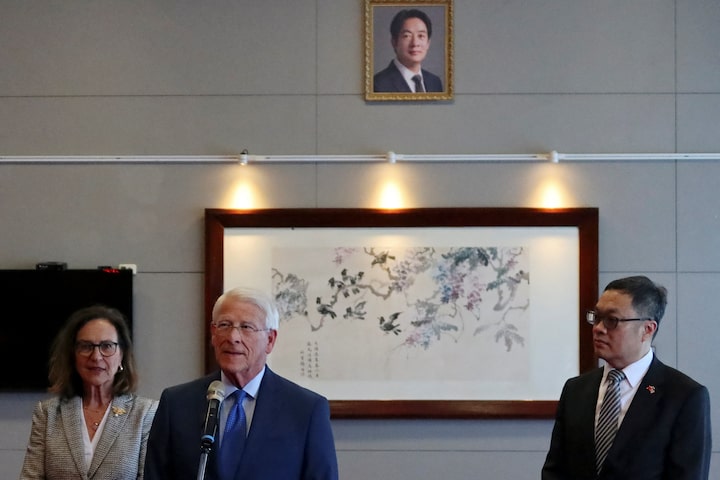
U.S. Senator Roger Wicker Advocates for Joint Weapons Production with Taiwan
U.S. Senator Roger Wicker, a prominent figure in U.S. military and foreign policy as chairman of the Senate Armed Services Committee, has recently underscored the importance of enhancing military collaboration between the United States and Taiwan. During a press conference in Taipei, Wicker expressed optimism about future joint weapons production, a strategic objective that Taiwan has long sought to achieve.
Taiwan’s Pursuit of Joint Weapons Production
The idea of co-producing weapons has been on Taiwan’s agenda for many years, highlighting its desire to bolster self-defense capabilities amid increasing regional tensions. Wicker’s remarks breathed new life into these aspirations. He noted, “I think there’s going to be joint production and joint efforts,” indicating a proactive stance that melds American technological expertise with Taiwanese innovation.
Emphasis on Drones and Other Technologies
One of the key areas of focus in this potential collaboration is drone technology. As both the U.S. and Taiwan have made significant strides in this field, the prospect of developing advanced drone systems together could enhance the military readiness of Taiwan while also serving U.S. interests in the Indo-Pacific. The senator’s encouragement of “suggestion and innovation” fosters a collaborative environment where capabilities from both nations can be leveraged.
Political Implications and China’s Response
Wicker is not merely a staunch advocate for Taiwan; he is one of Congress’s most vocal supporters, defending Taiwan’s sovereignty and its right to self-defense. His visit sparked criticism from Beijing, which opposes any official interactions between the U.S. and Taiwan, viewing them as threats to its claim over the island. The tensions between these superpowers continue to escalate, adding layers of complexity to international relations in the region.
Trade Tensions Don’t Diminish Defense Alliances
Interestingly, Wicker’s visit coincides with ongoing trade tensions between the U.S. and Taiwan, which include a significant 20% tariff on Taiwanese exports to the American market, established under former President Donald Trump’s trade policy. However, the senator emphasized that these economic challenges do not impact the longstanding defense alliance and friendship between the two nations. This assertion speaks volumes about the multifaceted nature of U.S.-Taiwan relations, where security cooperation remains paramount, regardless of trade disputes.
Conclusion
The steps toward joint weapons production could mark a notable shift in Taipei’s defense strategy, symbolizing a new chapter in U.S.-Taiwan relations amid increasing pressure from China. As both nations explore the possibilities of collaboration, the future of defense in the region hangs in the balance, with potential implications for peace, stability, and international norms.