


Moscow Claims It Has Seized Village in Zaporizhzhia Region
On February 10, 2026, Russia’s defense ministry announced that its forces had seized the settlement of Zaliznychne in Ukraine’s Zaporizhzhia region. This report from Moscow highlights the ongoing conflict and territorial disputes in the area, a focal point of military activities since the escalation of the war.
The Independent mentioned that it could not independently verify the battlefield claims made by Moscow, a reminder of the challenges in acquiring accurate information from the front lines during conflicts.
Ukrainian Troops Engage Russian Frontline in Kharkiv
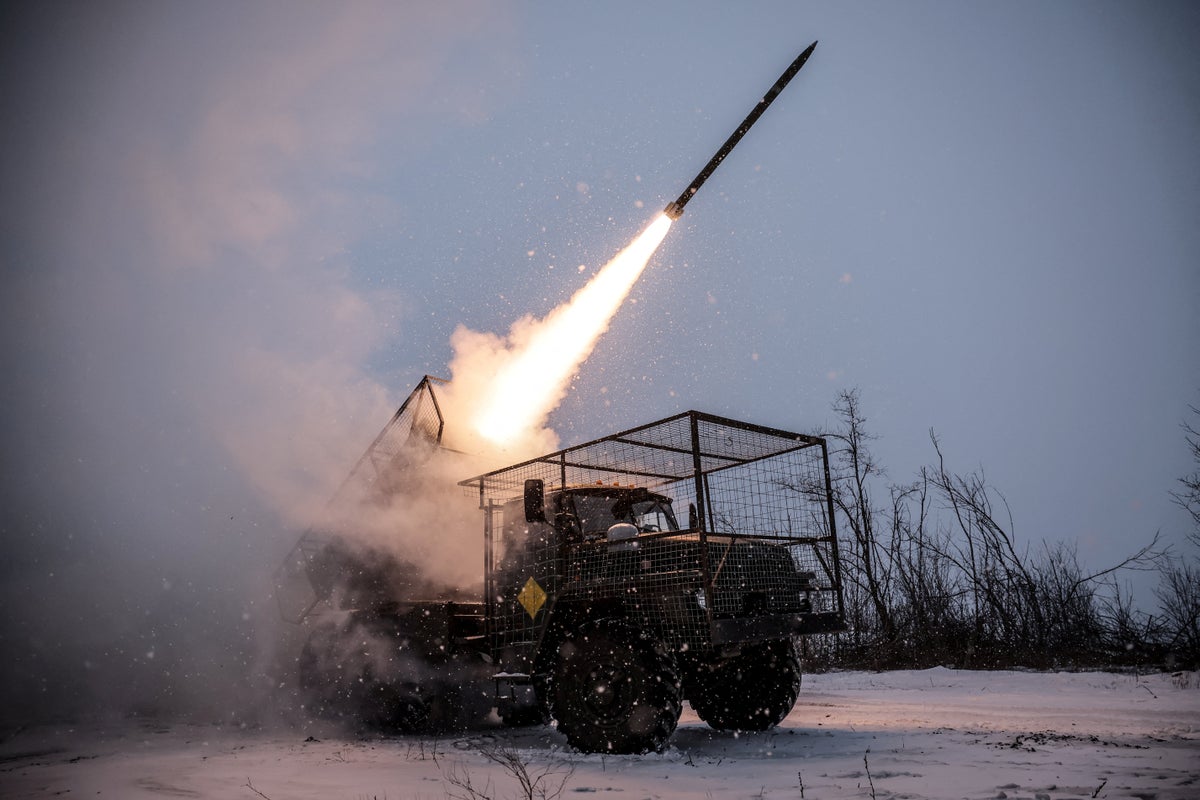
Amidst harsh winter conditions, Ukrainian troops have been actively engaging Russian forces in the Kharkiv region. Photographs circulating from the battlefield depict Ukrainian servicemen preparing Bohdana self-propelled howitzers, aimed at striking Russian positions. With temperatures dropping as low as -26°C, the soldiers’ resilience is being tested not just by the enemy fire but also by the severe cold.
The Ukrainian Air Force has reported that overnight, they successfully intercepted or neutralized 110 of the 125 drones launched by Russian forces aimed at power plants and civilian infrastructure.
Germany to Ramp Up Defense with Drones
In a strategic move reflective of Europe’s growing concerns over security, the German government is set to order drones worth €536 million (£467 million). This acquisition is part of a larger rearmament initiative in response to heightened threats following Russia’s invasion of Ukraine.
The contracts will facilitate the delivery of loitering munitions—drones that can hover before targeting, enhancing Germany’s military capabilities. Initial deliveries are slated for early 2027 and will first bolster the 45th Tank Brigade stationed in Lithuania, demonstrating Germany’s commitment to its NATO obligations.
Earthquake Strikes Krasnodar Region
On the same day, a magnitude 4.8 earthquake struck Russia’s southern Krasnodar region. Fortunately, officials reported that no significant damage occurred, as confirmed by Andrei Kravchenko, the mayor of Novorossiysk. The natural disaster adds another layer of complexity to an already challenging situation for the region, grappling with both military tensions and natural events.
Ukraine Opens Arms Export Channels
In a significant pivot towards self-sufficiency and financial independence, Ukraine is gearing up to export domestically produced weapons. President Volodymyr Zelensky has announced plans to establish 10 “export centers” across Europe to facilitate this initiative, emphasizing combat drones as a primary product.
Zelensky pointed out that Ukraine’s wartime technologies could significantly contribute to Europe’s security landscape. Initial production ties are being forged in Germany and the UK, showcasing Ukraine’s progress in military innovation despite ongoing conflicts.
South African President Calls for Peace
In a diplomatic move, South African President Cyril Ramaphosa has expressed his support for efforts aimed at resolving the ongoing conflict while speaking with Russian President Vladimir Putin. The Kremlin confirmed that the discussions centered around the war in Ukraine, underlining the global ramifications of the conflict and the widespread calls for an end to hostilities.
Russian Oil Revenue Hits Low
As the fourth anniversary of the full-scale invasion of Ukraine approaches, Russia’s oil and gas revenues have dwindled to multi-year lows. This decline results from new sanctions imposed by the U.S. and the EU, coupled with a tightening grip on sanction-dodging operations for Russian oil exports.
This decline is compelling President Putin to explore loans from domestic banks while also increasing taxes, adding strain to a war economy grappling with inflation and stagnating growth. The financial pressures are in stark contrast to the sustained military efforts being made on the ground.
Odesa Without Power After Strikes
The situation in Ukraine worsened overnight, as Russian attacks on energy facilities in the Odesa region left over 95,000 residents without power. The local governor described the circumstances, emphasizing that many buildings, housing approximately 9,000 people, are especially vulnerable during freezing temperatures without adequate heat.
Oleh Kiper, the Odesa regional governor, labeled the attack as a “cynical” attempt to cripple infrastructure, showcasing the brutal tactics employed in the ongoing conflict.
Struggles on the Front Line
With all this unfolding, Ukrainians on the front line are facing dire conditions, struggling to feed their families amid freezing temperatures. The harsh winter, coupled with dwindling resources, has created a humanitarian crisis, as reported by individuals living through the turmoil.
The tragic reality is summed up in the words of Tetiana Usachova, a mother and displaced person, who expressed her sense of despair, emblematic of many families caught in the conflict’s crossfire.
EU’s Strategic Decisions for Peace Negotiations
In Brussels, EU foreign policy chief Kaja Kallas has announced that she will propose conditions Europe should demand from Russia to facilitate a peaceful resolution. She underscored that the terms should not burden Ukraine, which has already borne considerable hardships.
Kallas’s comments reflect a growing sentiment within Europe to take a more active role in shaping the outcomes of the conflict and ensuring the stability of the region.
The ongoing situation in Ukraine and surrounding regions continues to evolve, with political, military, and humanitarian challenges interwoven in a complex tapestry of conflict. Each development not only impacts the lives of those directly involved but also resonates on a global scale, influencing international relations, security policies, and recourse strategies across nations.