


Rising Tensions: The Escalating Conflict Between the U.S., Israel, and Iran
Military Strikes and Global Reactions
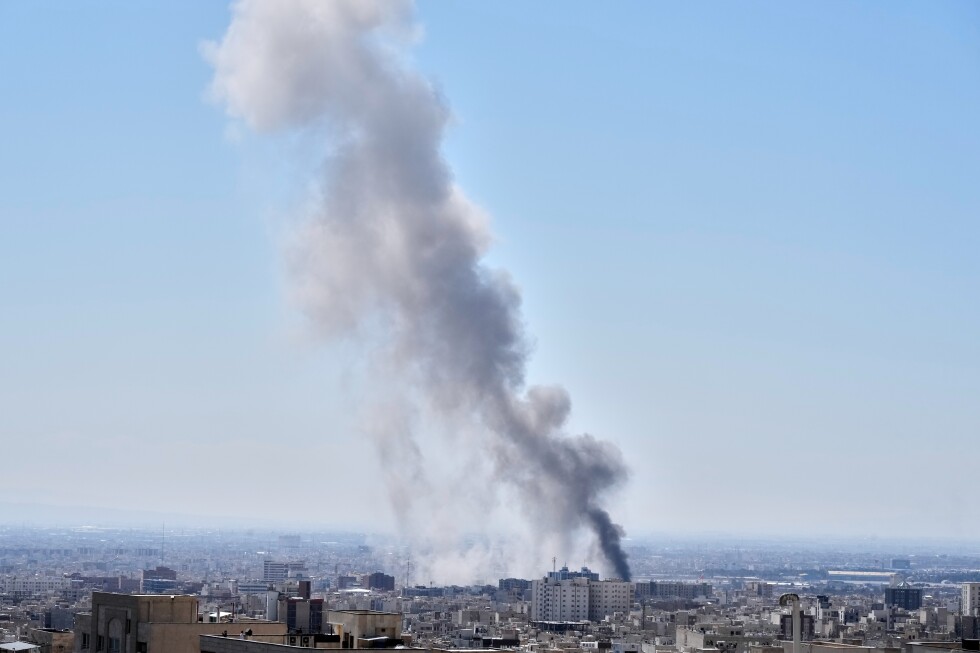
On a dramatic Sunday in Dubai, the U.S. and Israel launched a series of intensive military strikes across Iran. Targets included ballistic missile sites and naval vessels, marking a significant escalation in tensions following the assassination of the Supreme Leader, Ayatollah Ali Khamenei. This coordinated assault sent shockwaves, rattling windows and filling the skies with smoke, as reports of over 200 casualties circulated amidst the chaos that enveloped Tehran.
The Aftermath of Khamenei’s Assassination
The killing of Khamenei, who had been a prominent figure in Iran since 1989, left a notable leadership vacuum. Observers noted that resignations and the abrupt shift in power dynamics could lead to increased instability. In the aftermath, Iranian authorities vowed to retaliate, resulting in missile fire directed at both U.S. and Gulf Arab nations, claiming the lives of three American service members and escalating the already fraught situation further.
U.S. and Israeli Military Operations
U.S. President Donald Trump expressed a fierce determination to avenge the American casualties, warning that more ground could be lost before hostilities ceased. Under his command, Israeli forces coordinated their bombardment with the U.S., with reports indicating that roughly 100 fighter jets were deployed to target Iran’s military infrastructure, including air force buildings and missile command centers. These strikes, utilizing advanced B-2 stealth bombers, aimed to cripple Iran’s ability to respond.
Potential Regional Repercussions
The ramifications of this conflict could reverberate throughout the Middle East, endangering stability in an already volatile region. While Europe primarily advocated for diplomatic resolutions, nations like Britain, France, and Germany expressed a willingness to support U.S. actions. British Prime Minister Keir Starmer announced that the U.K. would facilitate U.S. military operations from its bases in the region.
Retaliation and Iranians’ Response
In response to the airstrikes, Iran executed counteroffensive measures, targeting cities in the Gulf that had previously been seen as safe from conflict. Iranian missiles struck hotels and airports, prompting a collective defensive stance from the Gulf states, asserting their right to protect their sovereignty. Notably, some rocket attacks did penetrate defenses, leaving civilian casualties in their wake.
Life in Tehran Under Siege
As airstrikes continued to rattle Tehran, streets that once buzzed with activity fell eerily silent. Citizens sheltered in their homes, fearful of the violence unfolding above. Witnesses described powerful explosions shaking their buildings, with paramilitary forces manning checkpoints to maintain order. Despite calls from Trump for an uprising, many appeared hesitant to challenge the oppressive atmosphere present in the city.
Transitions in Iranian Leadership
In the wake of Khamenei’s death, Iran announced the formation of a new leadership council, signaling a significant shift in governance. Foreign Minister Abbas Araghchi indicated that a new supreme leader would be appointed swiftly, yet apprehensions grew over the potential for missteps amidst the transition.
Calls for Accountability and Retaliation
Iranian officials have openly sought accountability from the U.S. and Israel, insisting that the strikes were reckless and necessitating an overwhelming response. Public sentiment appeared divided; while some celebrated Khamenei’s death, others mourned. The atmosphere was charged with hope for change, yet equally fraught with fear of possible military escalation.
Global Outlook and Future Implications
As communication lines open between the U.S. and newly formed Iranian leadership, the prospect of conflict looms large. Military unity among the U.S. and its allies presents a mutual front against what they view as Iranian aggression, yet the potential for misunderstandings and violence remains stark. The interplay of political maneuvering and military readiness will define the unfolding narrative in this high-stakes international conflict.