

The Rise of the U.S. Military’s Task Force Against Drug Cartels
Introduction to the Task Force
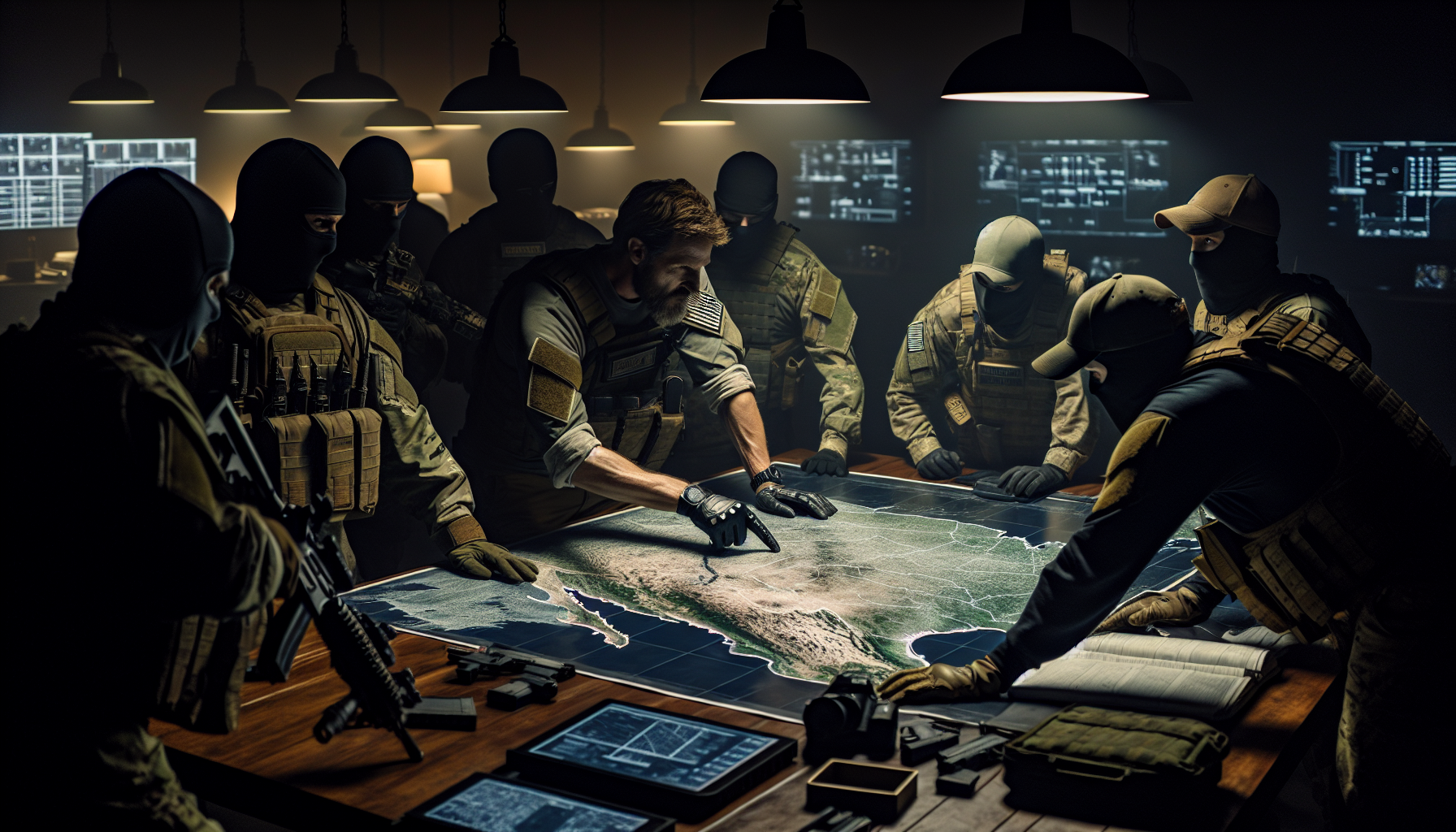
In a recent development, the U.S. military has established a specialized task force aimed at intelligence collection on drug cartels. This initiative, named the Joint Interagency Task Force-Counter Cartel (JITF-CC), was launched in January and signifies a pivotal shift in the strategies employed by U.S. authorities in relation to drug trafficking, particularly concerning the Mexican cartels that have plagued both countries for years.
The Role in the Recent Operation
The task force played a crucial role in the recent military raid in Mexico that resulted in the death of notorious drug lord Nemesio Oseguera, better known as “El Mencho.” A U.S. defense official confirmed to Reuters that intelligence gathered by the JITF-CC was instrumental in guiding Mexican forces during this high-stakes operation. However, it is vital to highlight that the execution of the raid was strictly a Mexican military endeavor.
Key Intelligence Provided
According to an anonymous former U.S. official, the intelligence compiled for the operation included a detailed dossier on El Mencho, which was shared with the Mexican government. This dossier comprised information sourced from various U.S. law enforcement and intelligence agencies, underscoring the collaborative effort being undertaken to tackle drug trafficking at its roots.
A Significant Target
El Mencho’s elimination represents a substantial victory in the ongoing war against drug trafficking. As the leader of the Jalisco New Generation Cartel (CJNG), he was one of the most wanted figures, with the U.S. offering a staggering $15 million reward for information leading to his capture. His cartel is notorious for facilitating the flow of billions of dollars’ worth of cocaine and fentanyl into the United States, making him a significant target for U.S. authorities.
Violence Following the Raid
The operation to capture El Mencho sparked immediate subsequent violence across multiple states in Mexico, leading to blocked highways and torched vehicles. This outbreak underscores the chaotic realities surrounding the drug cartels’ operations and the violent struggles for power that often ensue during such law enforcement actions.
Increased U.S. Pressure on Mexico
There has been a notable increase in pressure from U.S. officials, particularly during Donald Trump’s administration, which demanded that Mexican President Claudia Sheinbaum intensify efforts against drug trafficking. The U.S. even hinted at the possibility of direct intervention, showcasing the anxiety surrounding the drug crisis that spills over the border.
Objectives of the Task Force
While the specifics surrounding the JITF-CC remain largely confidential, its overarching goal is to “identify, disrupt, and dismantle cartel operations” that threaten U.S. national security. Brigadier General Maurizio Calabrese, who leads the task force, has articulated a strategic vision that seeks to leverage military intelligence previously utilized in combatting groups like al-Qaeda and ISIS to tackle the unique challenges posed by drug cartels.
Mapping Out Cartel Networks
General Calabrese has emphasized the importance of understanding the intricate networks of cartel members. Estimates suggest that there may be several hundred key cartel figures, while the number of independent contractors supporting their operations could range from 200,000 to 250,000. This vast network complicates efforts to target and dismantle their operations effectively.
Military Assistance and Surveillance
Under the backdrop of increased U.S. military involvement, notable changes in how intelligence and resources are deployed against these organizations have emerged. Jack Riley, a former senior official at the Drug Enforcement Administration, noted that the designation of Mexican cartels as terrorist organizations has opened pathways for enhanced military assistance. This potentially provides U.S. forces with the ability to conduct extensive surveillance operations, critical for real-time intelligence gathering.
Broader U.S. Strategy
The new task force is part of a wider U.S. strategy that has seen military engagement on the rise. Not only does it involve intelligence sharing with Mexico, but it also extends to military strikes against suspected cartel operations in international waters. The legal ramifications of these actions have been under scrutiny, particularly from Democratic lawmakers and legal experts.
Synchronizing Operations
A second defense official highlighted that the creation of the JITF-CC aims to synchronize efforts across various U.S. government agencies, preventing disjointed operations that could undermine effectiveness. The focus is on creating cohesive strategies to combat the pervasive issue of drug trafficking more effectively.
This evolving situation reflects the complexities and challenges involved in the fight against drug cartels, underscoring the need for coordinated efforts that incorporate intelligence, military strategy, and international collaboration. As this task force develops its capabilities, the ongoing impacts on both the U.S. and Mexico will continue to unfold.