


Intensifying U.S.-Mexico Military Tensions: Insights on Cartels and Strategies
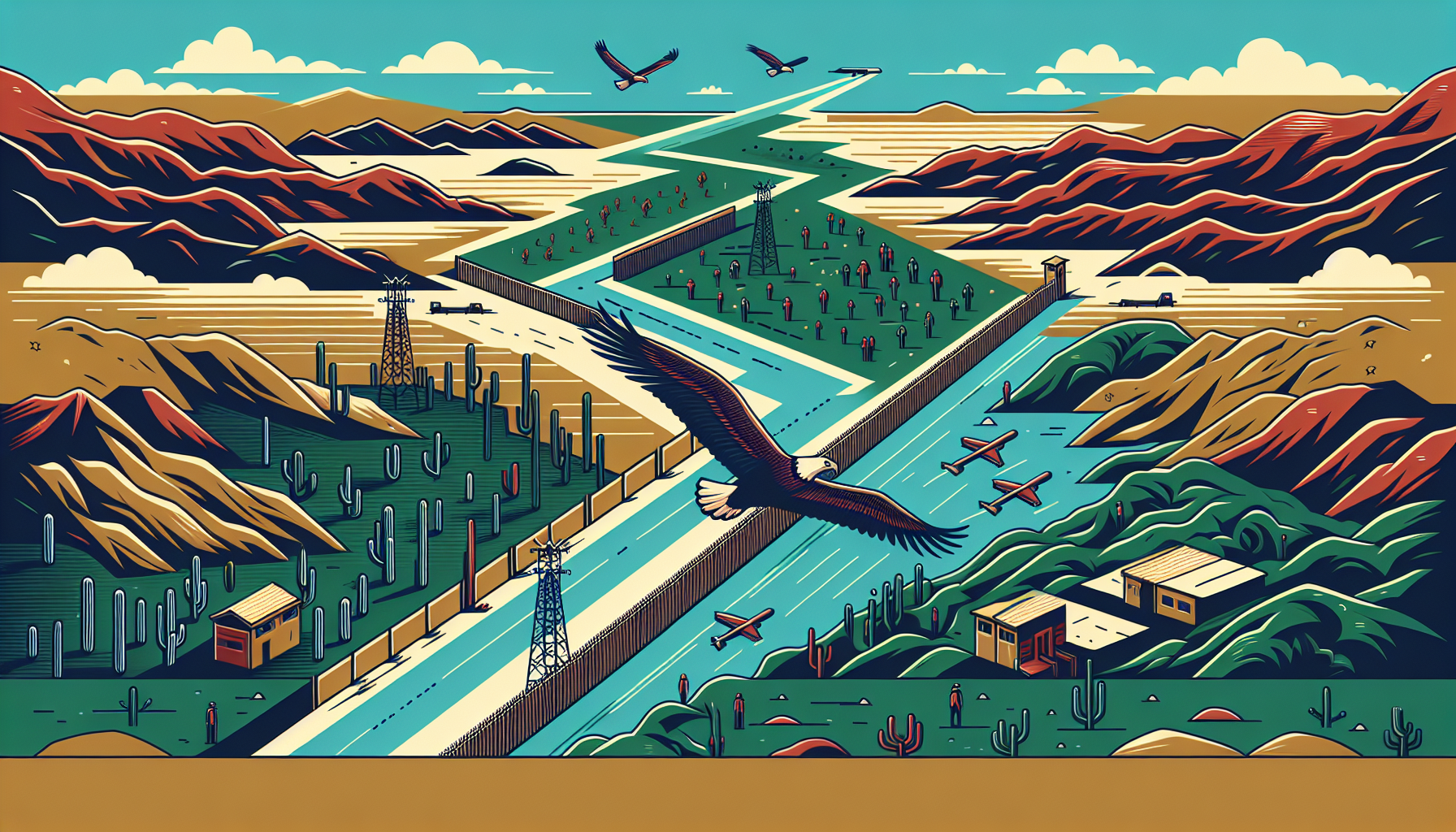
In the past few weeks, the dynamics between the United States and Mexico have fluctuated significantly, primarily driven by heightened pressure from the U.S. government for military action against drug cartels operating within Mexico. President Donald Trump has vocalized a pressing need for U.S. military involvement, showcasing a stark escalation in rhetoric surrounding this complex issue. Despite these demands, the Mexican government has firmly opposed the idea, advocating for sovereignty and diplomatic solutions instead.
The U.S. Military Plan: Ambiguities and Implications
While details about the U.S. military’s intended actions remain murky, it seems unlikely that a large-scale, manpower-intensive campaign would be the direction taken. Historical precedence suggests that the U.S. will not commit a significant troop presence for prolonged periods, especially given the likelihood of immense backlash from both the Mexican public and government. Such operations would risk violating Mexican sovereignty, an aspect that the United States has previously highlighted in its foreign policy.
Trump’s approach appears more tailored toward surgical strikes rather than full-scale military engagement. This might manifest in specific operations targeting fentanyl production facilities or high-ranking cartel leaders, leveraging intelligence to minimize the chance of compromising sensitive information. Still, many experts remain skeptical about the effectiveness of these measures, recalling the inconsistent success of high-value targeting operations seen in past campaigns against drug trafficking.
The Shortcomings of High-Value Targeting
High-value targeting (HVT) has been a staple of both U.S. and Mexican anti-drug strategies for over two decades. However, despite continuous operations led by both nations, the outcomes often backfire. These tactics typically exacerbate violence and instability, undermining bilateral cooperation rather than resolving the challenges posed by cartels. More critically, these measures don’t address the core issue: the ease with which cartel structures can replenish after key figures are removed.
The dynamism of the drug trafficking landscape means that as soon as one leader falls, another often swiftly rises to fill the void. The shallow infrastructure supporting these criminal entities means that cartels can quickly regenerate their operational capacity. As highlighted in recent studies, without a sustained, integrated approach that targets not just leadership but the systemic issues fostering cartel power, these strategies will only yield temporary results.
Potential Cartel Retaliation: A Darker Reality
Should the United States proceed with military strikes, the immediate and long-term ramifications could be severe. Retaliation from Mexican cartels could intensify significantly, manifesting in various forms of violence against the Mexican government and, potentially, even against U.S. citizens.
A likely initial response could take the form of targeted traditional tactics: assassinations of politicians, attacks on law enforcement personnel, and escalated violent campaigns against military installations. Drug cartels have historically demonstrated a willingness to engage in ruthless violence, utilizing everything from assassinations to bombings to reinforce their power and influence.
Additionally, the cartels are increasingly adapting modern warfare techniques, including drone technology, to amplify their operational effectiveness. They have shown capability in using drones for targeted attacks—a development that enhances their lethality and reach against governmental authority.
Strategic Economic Warfare
Beyond direct violence, cartels might resort to economic strategies as retaliation, creating blockades and disrupting logistics systems integral to U.S.-Mexico trade. Such maneuvers would not only impact local economies but could also have larger implications for U.S. supply chains, thereby escalating the conflict into an economic arena.
Additionally, a more extreme but plausible escalation could involve sieges of urban areas, reminiscent of the dramatic tactics seen in Colombia, foregrounding the potential for urban warfare. The operational capacity demonstrated in past events, like the 2019 siege in Culiacán, suggests a capacity and willingness to engage in significant, organized violence against state forces, further complicating the security landscape in Mexico.
Consequences for U.S. Citizens
Historically, Mexican cartels have exercised restraint regarding violence against U.S. citizens, primarily driven by fears of severe repercussions from U.S. law enforcement. However, should U.S. military actions escalate, the calculus may shift. Cartels could perceive attacks against U.S. citizens—whether tourists or expatriates—as a method of asserting power and retribution against perceived external aggression.
This potential shift would signal a dangerous escalation in cartel strategies and pose significant risks to many American citizens living, traveling, or working within Mexican borders.
A Complicated Path Forward
In light of these developments, a potential avenue for the United States is to recalibrate its approach by enhancing law enforcement collaboration with Mexican authorities rather than resorting to military strategies. Increased engagement and support for Mexican law enforcement may yield more sustainable outcomes in curtailing cartel operations while minimizing the risk of significant retaliation.
There is a pressing need for a nuanced understanding of cartel dynamics, focusing on dismantling their operational capacities through sustained law enforcement pressure rather than occasional military strikes. Expanding collaboration could lead to more productive strategies that mitigate cartel influence, ensuring a more stable and secure environment for both nations.
Ultimately, mitigating the influence of drug cartels requires a broader and more integrated strategy, prioritizing long-term solutions over reactive military responses. Understanding the complexities of the cartel landscape and the potential aftermath of military action may be critical in formulating an effective policy approach that promotes stability and security for both the United States and Mexico.