


The 2026 FIFA World Cup: Challenges and Concerns
As the world gears up for the 2026 FIFA World Cup, excitement is palpable with over half a billion ticket requests already logged. This tournament will be unique, hosted across three countries: the United States, Canada, and Mexico. Yet, beneath the buzz, significant challenges loom, particularly concerning security and immigration policies.
A Momentous Occasion
More than five million international visitors are expected to flood into the United States as soccer fans from across the globe come to enjoy the games. Cities like New York, Los Angeles, Kansas City, and Atlanta will transform into vibrant fan zones, hosting celebrations and activities throughout the six-week tournament, commencing June 11, 2026. This expansive event is hailed as a once-in-a-generation opportunity that necessitates comprehensive security measures.
Security Concerns
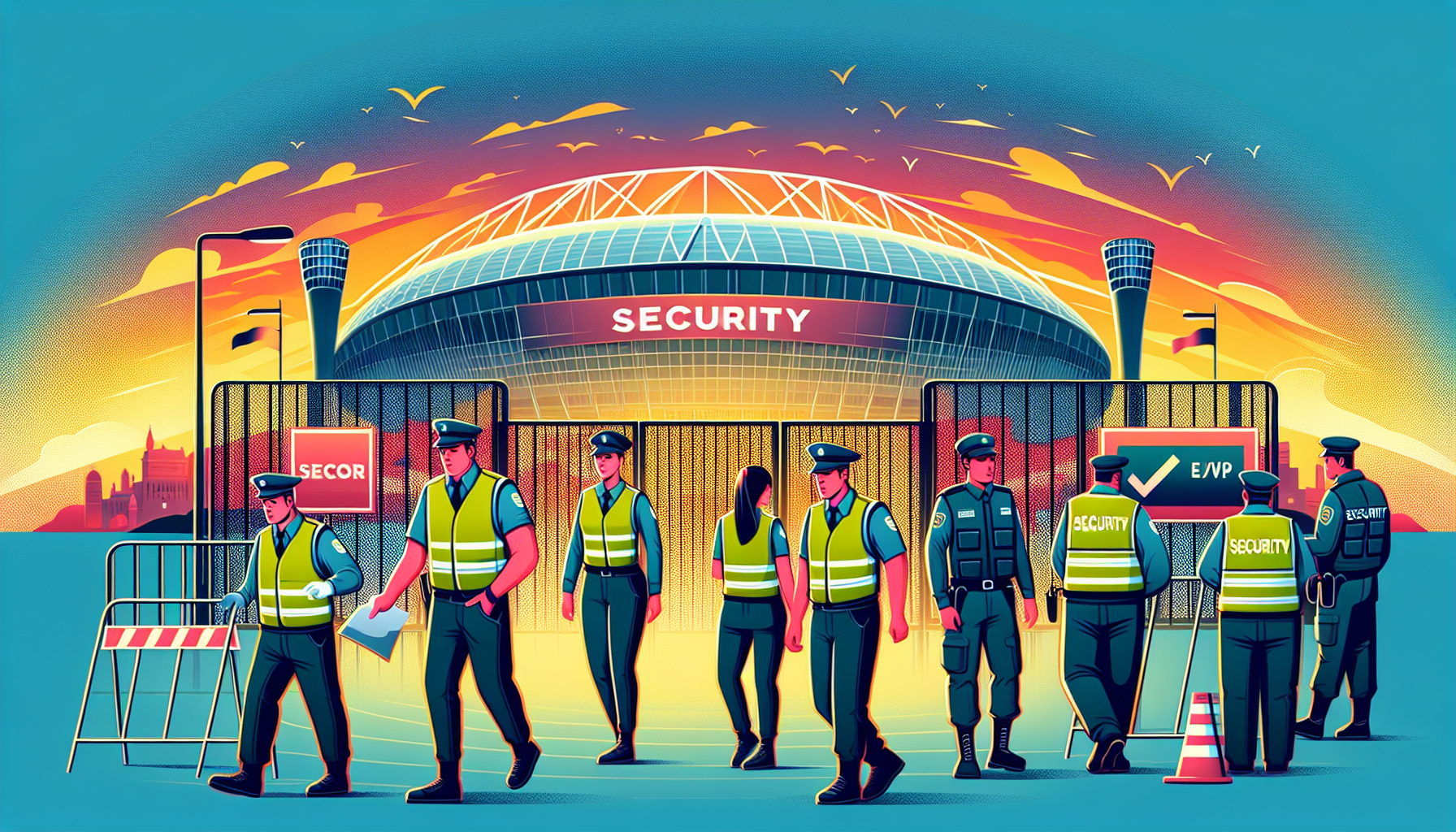
The U.S. government is poised to invest over a billion dollars into security protocols for the World Cup. These measures encompass advanced technologies to deter threats such as drones and cyberattacks. The Department of Homeland Security recently announced a $115 million investment in counter-drone technologies, highlighting the potential risks of aerial intrusions at large gatherings.
FEMA, the Federal Emergency Management Agency, is collaborating with local authorities to ensure that stadiums are fortified against any threats, both from the sky and on the ground. In preparation, cities are investing in “drop and stop” barriers, which can withstand substantial vehicular impacts, ensuring pedestrian safety.
The Digital Danger Zone
As the world increasingly relies on automated systems and digital technologies—such as automated ticketing and access control—the cyber landscape presents its own set of vulnerabilities. The risks of cyberattacks have expanded, prompting experts to caution that the 2026 World Cup could be a prime target for hackers. The recent history of international sporting events shows that automated systems can sometimes be compromised, potentially endangering both logistics and lives.
Lessons learned from previous events, such as the 2024 Paris Olympic Games, reveal a heightened necessity for cybersecurity. Analysts noted cyber threats were prevalent at the Paris Games, and the groundwork laid paid off with no major disruptions. With political tensions rising in the U.S., the potential for hacktivist actions targeting the event is of significant concern.
The Immigration Dilemma
One of the most pressing issues surrounding the upcoming World Cup is the impact of the Trump administration’s strict immigration policies. Recent expansions have broadened the visa ban to over 75 countries, leaving many fans uncertain about their ability to travel to the U.S. and participate in the festivities without fear of federal scrutiny.
Experts warn that the focus on immigration enforcement at such large gatherings could lead to families being torn apart and worsen the challenges faced by individuals fleeing persecution. There are fears that law enforcement operations during the World Cup could amplify the already fraught atmosphere for international travelers.
Voices of Concern
Human Rights Watch has echoed these concerns, highlighting the risks associated with the current immigration climate. Some fans have even gone so far as to cancel their plans due to the aggressive enforcement practices they fear may be enacted at this global event.
Moreover, the proposed rule changes by the Department of Homeland Security could subject certain travelers to heightened scrutiny, raising the stakes further for anyone hoping to enter the U.S. for the matches.
A Balancing Act
As preparations continue, those behind the scenes are acutely aware of the balancing act they face. Ensuring that the tournament runs smoothly while safeguarding the rights and freedoms of attendees is no small task. Increased security measures at venues are anticipated, and officials are working closely with local and federal agencies to make sure fans feel safe.
Moreover, strategies are being put in place to handle the massive influx of spectators at airports, with officials stating they are preparing for an unusually busy period akin to Super Bowl levels of attendance.
Conclusion: The Road Ahead
The 2026 FIFA World Cup is shaping up to be a monumental event, but it is accompanied by complexities that must be addressed. Law enforcement, security agencies, and event organizers face an array of hurdles that include ensuring public safety from both aerial attacks and potential civil unrest, while simultaneously considering the implications of stringent immigration policies. The success of the tournament will hinge not just on the matches played but on how well these challenges are met. The world will be watching, waiting to see what unfolds during this momentous occasion.